℅ Jamie Morganstern. Rob Krar is one of the best ultra runners on the planet. Krar also suffers from depression. This is the story of how he thrives in one area of his life, and how he manages the other. There are parallels between ultra races (Krar does a bunch of crazy-difficult 100-miler type races), but those parallels are not exclusively focused on pain and the struggle. The parallels also are about the importance of a supportive community around you. About acceptance. There’s a willingness needed in both.
Krar’s bio is pretty interesting. Good runner in high school in Canada. Gets a scholarship to Butler. Enters a challenging pharmacy school. Rigors of school collide with the realization that running is no longer a pursuit of joy but a requirement. Moves to Phoenix. Hates the heat, stops running, depression really starts to simmer. Doesn’t help that, as a pharmacist, mistakes can carry pretty grave consequences. Moves to Flagstaff. Mountain climate leads to running again. Starts winning races out of nowhere. Although he hadn’t articulated it at the time, “the hold” the depression persists.
Most important, he meets Christina Bauer. She’s the love of his life, a counselor, and – on what sounds like a first date – the first person he tells about his depression.
Krar’s story, beautifully written by Christine Fennesey, is about the courage it takes to embrace something like depression. In talking openly about it, Krar makes it easier for others to discuss it. He’s also started a camp for endurance runners that has attracted other runners struggling with mental illness. But this isn’t some after-school special piece on depression. For as head-on as he’s tried to address his mental health, Krar admits that it’s getting worse for him. He admits that there’s a magic to the darkness he feels in the final miles of a race, and the relation it has to the darkness he feels from his depression. He’s willing to take medication, but for reasons left unspoken, he will not attend therapy.
The irony is Krar’s story isn’t about overcoming obstacles; it’s about accepting them. That is the key to how he approaches his depressions, and that’s what sets him apart as a runner.
“He’s obviously very talented, but there are a lot of very talented people who don’t win Western States,” [Dylan] Bowman says [a fellow top-tier runner]. “You have to have the willingness to go to the deepest, darkest places in order to pull out victories in the most competitive races. Rob has been really open about his depression, so it could be that he’s just not afraid to put himself in a dark place. And when you pair that with a unique talent, you’ve got an absolute world-class athlete.”
File this under dumb. Since 1999, winners of the Heisman are not allowed to sell their trophy. So let me get this straight: dudes who are generating millions of dollars for their conferences and schools can’t sell something they won, even after they’ve left the NCAA and the world of amateurism? This is so absurd.
I’m with Tim Brown (1987 winner): “When I own it and it’s mine, I can do whatever I want with it. If the Heisman Trust wants to sue me for doing whatever, then sue me. I don’t think anybody’s going to worry about that.”
I mean, what the hell; they won’t allow the students to make money off of their names while in college. The folks in charge of the Heisman (not the NCAA) think they need to dictate how an adult manages his assets? Get out of here.
For what it’s worth, Ricky Williams Heisman just sold for over $500K. – PAL
Here’s a pretty cool read for older readers or fans of baseball history. It’s hard to imagine Roberto Clemente in anything other than the honey mustard yellow the Pittsburgh Pirates sported in the 60s. Before he became, as actor David Conrad describes him in short MLB bio video, “the gracenote of Pittsburgh”, Clemente was on track to be a Dodger.
Many folks know that, but it’s during his minor league season in Montreal when the legend and truth about Clemente start to diverge. The legend goes that the Dodgers discovered him in Puerto Rico and essentially tried to hide him in Montreal until the Rule 5 draft. Why did they need to stash him up there? Because he was a bonus baby.
Stephen Nesbitt explains the rule:
On Feb. 19, 1954, Melchor Clemente, a foreman on a sugarcane plantation in Santurce, P.R., sent a telegram to the Brooklyn Baseball Club offices in New York informing the Dodgers that his 19-year-old son Roberto had agreed to sign with the Montreal Royals, the Dodgers’ International League affiliate, for a salary of $5,000 and a $10,000 bonus. That sum made Clemente a bona fide Brooklyn Dodger farmhand and — more importantly — a bonus baby.
A bonus rule in place at the time stipulated that teams were required to keep any player who had signed for more than $4,000 on their 25-man active rosters for two full seasons, or risk losing him in the Rule 5 draft. The Dodgers were gunning for a third consecutive National League pennant after losing the previous two World Series. Brooklyn was, as we might say today, in win-now mode. They had already added one bonus baby to the roster — Sandy Koufax — so instead of sticking Clemente on their bench, the Dodgers gambled.
Koufax and Clemente on the same team? These are the little factoids of history that never, ever get old.
So up to Montreal Clemente went, and, if the Dodgers had it their way, soon he would be forgotten. The story goes Clemente was benched, pitch hit for in early innings, and used as the most overqualified pinch runner in history. Anything to keep him off the radar of other scouts. That’s the legend, anyway.
Funny thing about baseball – the record-keeping has been pretty consistent for quite a long time. So when children’s author Stew Thornley started a bit of research after deciding to write a book about Clemente, it didn’t take long before the montreal legend started to fray.
Thornley pulled box scores. Yes, Clemente did sit a bunch of games, but he was also hitting around .200 halfway through the year. Not exactly tearing it up. In fact, as to be expected, he was a teenager playing professional baseball, and he was swinging at everything.
And while some of the legends hold up, many others simply aren’t true. Clemente never hit three triples in a game. He didn’t hit a homer in the first week of the season, only to be benched. He wasn’t benched for the last 25 games of the season. All of these claims are pretty easy to confirm or deny.
More interesting is the truth: Clemente was a platoon player. He started 37 games that year, and all 37 of them had one thing in common. Give the story a read to find out. – PAL
Baseball is over. Football – college or NFL – doesn’t really matter yet. NBA, NHL, and college basketball are just getting started. All of that is more than enough reason to share a fun history lesson as to why the hell the Oakland A’s have an elephant for its mascot. It all started in 1902 with with an insult from New York Giants manager John McGraw. There’s some history as to why McGraw had a problem with any American League team at the time, and when asked what he thought about the upstart league, he said, among other things, the following:
The policy of the American League is everything for Boston, Chicago and Philadelphia,” he said. “The remainder of the teams in the organization take what they can get. I’m not saying this because of any prejudice, but because I was told so point-blank by the president of the American League.
The American League is badly in debt. If Johnson wants to deny that, I will tell how much it is in debt and where the money is owed.
The Philadelphia club is not making any money,” the future Hall of Fame manager continued. “It has a big white elephant on its hands … no money was made last year and no money will be made this year.
Philadelphia was home to the Athletics at the time. Connie Mack (the manager who wore a suit, not a jersey) was at the helm of the A’s at the time. He was a polite guy (obviously…the dude wore a suit while managing a baseball team), and didn’t give too much to the press, but even he had to respond to McGraw’s quote.
“McGraw says that the Athletic club is a white elephant. I will bet McGraw $1,000, and I think that I can get the coin, that the Athletics did make money last year and are making money this year.”
He added in 1952, in an interview with the Palm Beach Post: “When I heard about it I said, ‘We accept McGraw’s name of White Elephants,’ and we have kept that title ever since.”
It was a bold statement — one that easily could’ve backfired — but Mack’s team, which featured future Hall of Famers Eddie Plank and Rube Waddell, backed its skipper’s words. The A’s finished first in the American League, with a record of 83-53-1, and won the pennant (there was no World Series that year).
Over the next 12 seasons, they’d make five World Series appearances, winning three.
And so, over the next 115+ years (on and off) the elephant has been synonymous with the Athletics, be it in Philadelphia, Kansas City, or Oakland. A mascot born out of a beef.
As a small tangent – and don’t take this, Ryan Nett – I have an idea. If I ever coach high school varsity level baseball or higher, I will wear a suit and tie. It’ll create a little buzz, get the local paper down to do a story on the high school team, and then we’re moving. The uniform on the coach is truly a terrible, terrible look. There’s precedent in not wearing one, one that the silverheads will appreciate the hat tip to Mack. Win-win.
Tangent aside, this is a really fun article about a legit interesting history of a mascot. Good stuff! – PAL
A JV baseball coach in New Jersey instructed a player to slide into third base. The player wrecked his ankle. The family sued the school district for not properly training the young coach. The facts of the case are every bit as ridiculous as you’re imagining right now, and 2,625 days have passed since the slide and the docket being resolved. The coach and the school district were not found liable or reckless.
This is one of those ‘how have we gotten here’ stories, and it’s written with a little too much sanctimony for my taste, but it’s an interesting story nonetheless.
Per, Steven Politi:
So, yes, I have found the intersection of our overly litigious society and our out-of-control youth sports culture. As Suk sits there, scribbling away, I am consumed with a sickening thought: If this JV baseball coach is found liable for telling a player to slide, there’s nothing to stop the dominoes from falling everywhere around us.
In short: We’re all f—ed.
The full story is worth a read, and I will concede that – while this remains clear that a coach can’t be held responsible for when a kid gets hurt sliding – there are some details that allow me to feel a bit of sympathy for player.
For one, it sounds like his ankle is permanently jacked up.
Baseball was the least of his worries. Even after three surgeries, the ankle was not improving — one doctor even presented amputation as a possible outcome. A specialist from the Hospital for Special Surgery in Manhattan, Robert Rozbruch, found post-traumatic arthritis and signs of necrosis — evidence the bone was dying.
Mesar needed two more surgeries, including one to inject stem cells into the ankle tissue, and he was fit with an external fixator, a stabilizing frame to keep the bones properly positioned. The injury improved, but Rozbruch told the once-active teenager to avoid high-impact activities. Even jogging.
John Suk, the coach, also never attended any coaching seminars, which I thought was mandatory in order to coach at the high school level.
Of course, neither of those two details – how messed the ankle was, and the lack of coaching seminars – make Suk or the school district reckless, but I think in some of these seemingly absurd lawsuits aren’t so absurd when you dig into the details a bit. I am reminded of the McDonald’s hot coffee lawsuit (if you haven’t, then you must watch the doc Hot Coffee).
On a lighter note, it’s hilarious how the poor quality of the opposing team from the game if the injury is ridiculed. Here’s an exchange from the plaintiff’s attorney cross-examining Suk:
“We have established that the fence is 315 feet, and that this is a JV game at Gill St. Bernard’s,” Sinins says. “And you’ve heard testimony that the Gill St. Bernard’s team stunk. Is that fair?”
“Sir, my opinion of their team has no bearing —” Suk answers.
“You’re telling this jury that the JV left fielder for the Gill St. Bernard’s team reached the ball at the fence and threw a strike to the third baseman?” Sinins asks. “That’s what you’re telling this jury?!”
Give the full story a read, and let us know what you think, especially you coaches out there. – PAL
Regular followers may have noticed I, a son of Minnesota, poked a little fun at the Gophers football team last week. I laughed at the very notion of the Gophers beating #3 Penn State. Well, the Gophers pulled off an upset, breathing even more life into P.J. Fleck’s con job.
Following the big win, Philip John, a.k.a. The Used Car Salesman (c/o Matt Lang), got a new contract. Per Kare 11, starting on November 15, 2019 (TODAY), Philly will have a 7 year, 33MM contract. He will be paid 4M+ a year to not ever come close to competing with the big boys in the Big 10.
Mark my words, because I’m doubling-down: the Gophers will not only lose to Iowa, but they will get their shit handed to them by Wisconsin, too, and not participate in the Big 10 title game.
Why am I going after the school of my dad, uncle, cousin, and niece, you might ask?
I believe in college monogamy: I’m an Augustana Viking, and only an Augustana Viking (the Augustana in Sioux Falls, not in Illinois, people)
There has always been this long held pipedream for the U of M to be a football school in the Big 10, but they are bottom feeders that simply don’t admit it. Every local columnist drinks the kool-aid once a decade. Jim Wacker, Glen Mason, P.J. Fleck; same bullshit, different coach hoping for Minnesota to be a stop on the way to a more prestigious job.
The Gophers had an identity with its hockey program, and it got messed up so horribly that it legitimately makes me sad.
Football is dumb.
Fleck wears coaching cliches like a middle schooler wears cologne.
Here’s a lil sampling from Philip’s interview on the Dan Patrick Show this week:
Boys are elite. Getting ready to go to the practice field.
We are very fortunate. We are very humbled to represent the University of Minnesota, the great state of Minnesota, and all of our fans and alumn…
To be honest, I don’t think anything shocks this football team. You know, successful people and successful teams are usually not shocked by the success they have or what other people think of them, because they’ve been preparing for it…
This is a one-game championship season against Iowa.
This team is not built for any letdowns. The game of football, that’s why you play, you just never know what’s going to happen.
Yesterday’s Tuesday practice was the best Tuesday practice we’ve had, and that’s all I can continue to ask of our players – is keep changing their best
And then this cringe-worthy, made-for-tv speech:
All of this is an extremely long lede into the actual story I’m posting about Gopher fans getting down to Iowa City for this Hawkeyes game. For one, it’s the laziest kind of sports writing (I emailed a bunch of folks, and here’s a collection of their responses). Also, the idea of the Gophers in the Rose Bowl is unironically brought up in this article. Drugs, watch out for them.
Talk about a jinx article:
But this season, he said, the Gophers have become “appointment TV,” and their potential for playing in big games later in the year has him checking travel and ticket sites often. He even mentioned the “R” word.
“I’m a football fan, but I’m not traveling to Indianapolis just to see the BIG Title Game of Ohio State, Penn State or a Michigan school take on the West winner. With the Gophers in contention, I am looking into tickets to the game,” Tate said. “I’m also looking at the costs of a trip to Pasadena for the Rose Bowl. It’s the one stadium and the one game I’ve always wanted to go to.”
It’s just football, and P.J. Fleck has a national audience right now with the undefeated Gophers, and – what the hell, it’s entertaining, right? Maybe I should give him a break. Maybe, but this guy’s just a little too loud, laying it on a lot too thick. He’s like a bad actor playing a coach on TV. He’s no Coach Taylor, but, man, is he trying so hard to be the real life version of him.
Also, just for reference, here’s the team’s remaining schedule:
Iowa
Northwestern
Wisconsin
Big 10 Championship (if they make it)
I see 2 loses on that schedule, my friends. P.J. Fleck will not be the head coach the Gophers 14 months from today, new contract be damned. – PAL
Wiseman’s lawyers from Ballin, Ballin & Fishman and Farese, Farese & Farese released a statement Thursday morning, shortly before Memphis declared him ineligible.
Does the used car salesman have a win against Penn State on that chart? Hahahaha!
NHL Dentists
Who’s ready for some stories from NHL dentists? I knew I was going to post this story as soon as I saw the headline: The ugly, gory, bloody, secret life of NHL dentists.
It takes a bit to get me squirming, but this story goes there more than a few times. Hockey pucks are really hard, hockey players are pretty big, hockey sticks are flying everywhere and none of these dudes are wearing a mask that covers their mouths (unless they’re already recovering from a broken jaw).
Let’s start with Ryan Callahan, shall we?
[T]he Rangers’ Ryan Callahan was bearing down to deliver a check on an L.A. player when the guy turned around at the last second and bayoneted Callahan’s mouth, “Game of Thrones” style, with his stick blade. On his first night on the job, and at his first hockey game, no less, new Kings dentist Kenneth Ochi sat Callahan down in the chair at Staples Center, took a deep breath and aimed his dental lamp at the side of the player’s mouth.
The light shined straight through to the floor.
Callahan’s teeth were intact, but there was a 3-inch hole in his cheek, like he was some kind of gaffed tuna. A closer look revealed that a large portion of Callahan’s exposed jawbone was covered in a strange black substance. Ochi labored over it with his curette for an excruciating 15 minutes while trying to keep his dinner down. Later, a staff member with more hockey experience informed him, with a shrug, that the substance was stick tape.
“There’s no manual for this stuff,” Rivera says. “But for someone who always wanted to be a dentist growing up, being a part of the NHL means we’re doing some crazy stuff — and I love it.”
Setting aside the grimace no doubt on your face right now, these dentists play a pretty key role on their respective teams. They are a part of NHL hockey. Hell, they even get a day with the cup if their team wins it!
Each team keeps a full-time dentist on staff, often seated a few rows behind the bench and armed with a medieval toolkit of needles, forceps, sutures and curettes. Most NHL arenas have dental chairs somewhere near the locker rooms. The work performed there is so vital to teams’ health and success that dentists are often some of the few staff members to survive an ownership or coaching change, and many, including Rivera, get championship rings and their own day with the trophy after a run to the Stanley Cup. “After seeing how many lips had been on the Cup, I gave it the slightest little kiss I could … and then I went and disinfected my mouth,” Rivera says.
If you’ve been to an NHL game, you know how fast that puck comes off a stick when a dude unloads a slapshot. To imagine that hitting me in the mouth unsettling. It’s crazy, and so are are hockey players, and that’s why that toothless smile has been celebrated for decades.
Another interesting note from this story. The Russian and Eastern European players: traumatized when it comes to dentists in a lot of cases.
Several team dentists surmised that because of a different standard of dental care in places such as the Czech Republic and Russia — where the use of Novocain and anesthesia is sometimes considered an indulgence, even in pediatric dentistry — players from that part of the world are so terrified of the dentist that Long has seen them visibly shaking from fear in his chair.
So if you find yourself at a party with an NHL dentist, stick by him. He or she no doubt has some gory stories. – PAL
If you liked our write-up last week about the demise at Deadspin, you’ll enjoy this discussion on Slate with three recent Deadspin staffers (Megan Greenwell, Barry Petchesky, and Tom Ley) about what went on behind the scenes. I especially liked this, from Petchesky and Greenwell
Petchesky:There are 18 billion sites you can go to to find out who won. You can go to ESPN, you can go to new zombie Deadspin to find out about the Pats-Ravens game. It was not the content of the memo itself that so rankled, it was what it represented. It showed very clearly that they did not have any respect and did not hold any value for what Deadspin was and what niche it had carved out, and it showed they were willing to fight about it.
It was a test to see if we would fight it or if we would roll over, and I do think in the end, it’s mostly about power. That they wanted staff to just roll over for them and do bland work that advertisers wouldn’t complain about and just shut up and blog. I’ve been at Deadspin for my entire adult professional life, and that was not the site I’d worked at and that was not a site I wanted to work at.
Greenwell: They were clearly focused on scale above all else. In my very early conversations, I said at one point, you know, the goal of Deadspin is not to be bigger than ESPN, and they were horrified by that. In some ways, I don’t think I ever redeemed myself in their eyes from that comment. They wanted to put AP recaps of every sporting event on the site because they wanted it to be a one stop destination.
I also really liked Fatsis’ summary of what Deadspin was:
As much as any publication, Deadspin defined what sports journalism for smart people in the digital age should look like. For many readers, including me, it replaced legacy sports media as the first place to go for what happened, what mattered, what to think about, and what to talk about.
PAL: I still can’t get my head around how a website posting scores and recaps drives more traffic than something like Deadspin. I can’t comprehend the site in its current state collecting more time per visit or monthly active users than it had in its previous state. Seriously, who is going there?
As someone that works at a company driven by ad revenue, the advertising dollars completely depend on people regularly using the product for extended periods of time. When the 18-34 demo starts leaving your site is the moment ad revenue slips. Game recaps aren’t going to attract a younger audience…or any audience. The ad revenues slip, and then the sales team push to increase ad features, which will increase revenue short-term but ultimately push more reader away. It’s a death spiral.
TOB: Well, no one is going to Deadspin anymore. Their last remaining employee resigned earlier this week, and they haven’t had a single post for almost 4 days now. I’m wondering how their CEO feels about Sticking to Sports right about now.
“The Memo Method”
02:33:03. That’s Guillermo Piñeda ‘Memo’ Morales’ finishing time at the New York City Marathon last Sunday. Top-100 finisher in a race of over 53K finishers. That’s about a 05:50 per mile pace. For his age, he’s one of the fastest in the world. To borrow a phrase from my father-in-law, Memo is “world-class”. He’s also a porter in an apartment building in Queens.
I learned about Memo from this excellent NY Times video, ℅ Jamie Morganstern.
The American fitness industry is worth over $30B a year. That’a a lot of fancy gear and gym memberships, but Memo doesn’t believe in gadgets. This [Memo put his fingers to neck] is Memo’s heart monitor. This [Memo doing push-ups in the park] is Memo’s gym. This [Memo eating rice and beans] is Memo’s nutrition plan. And this [Memo hiding a plastic bag with his clothes in the bushes] is Memo’s locker.
Memo keeps it simple, because running makes him “feel free”. No amount of money, no gadget, no coach can manifest freedom from a workout. That is inside of Memo, and that’s beautiful, reliable simplicity.
Memo reminds us that we’re being sold and packaged something that’s free. Achievement doesn’t come from a sports brand or the latest high-tech gizmo. Just ask Memo. He believes in just three – two things:
Work hard
Never give up
The theme of ‘free’ comes up in various forms in this video. It’s the part of this video that’s stuck with me throughout the week. Without spoiling it, I encourage you to take 3 minutes and watch. – PAL
Book of Basketball 2.0 – Prologue – The Secret is Now Rented
We’re going to try something different here. The idea of this site is to share our favorite sports stories from the week. These days, sports stories are coming to us in various forms. Podcasts have obviously exploded over the past five years. Video is also a medium you might have used to get some sports stories.
With that in mind, I’m sharing this first episode of Bill Simmons’ new podcast: Book of Basketball 2.0. 10 years ago he wrote a book. It was a best-seller. A lot has changed in the past decade, so instead of writing a follow-up, Simmons is making it a podcast. I haven’t read the book, so maybe some of this is old to those of you that have, but I shared the first episode with my brothers (none of whom are basketball guys) insisting they listen.
The episode is about “The Secret” to winning in basketball is great players putting forth genuine selflessness. Russell knew it in the deepest corner of his soul. Chamberlain never got close to understanding. The Warriors had it for a couple seasons, but lost it. Bill Bradley described it as the “ultimate cooperation”, and the downfall of many a great teams is what Pat Riley describes as the “Disease of More”. A team wins, and everyone starts to want more – more minutes, more money, more shots, more attention.
In the current era of basketball, when new metrics highlight individual value in a multitude of new ways, when star players move teams much more frequently, Simmons’ thinks The Secret “is rented, never bought”. That it’s become damn near impossible to keep it going for more than a few years.
The idea of team success is endlessly fascinating to me. And while Simmons’ predictable pop-culture metaphors come off as forced at moments, the subject matter, interview soundbytes, and anecdotes are a delight. – PAL
Joe Posnanski wrote a bizarre article this week about Mike Matheny, the new Royals manager, and how things are so different today for managers than they used to be. And it’s just such a weird article, but I have two things I wanted to point out. First, in discussing the different landscape for managers in today’s game, Posnanski laments what will happen if a manger goes with a “gut feeling”:
And heaven help you if, because of a gut feeling, you took the 41-minute route thinking you would beat traffic and that didn’t work out. That’s when people will say you have absolutely no idea what you’re doing and need to be canned immediately.
Look, I hope this doesn’t come across as arguing semantics, but I don’t agree with this. If a manager makes a decision on a gut feeling, he’s doing his job poorly. A gut feeling is how I make NFL picks when I know nothing about the teams. But no manager should ever put himself in a position to make a gut feeling. When making a decision, a manager needs to know the pitcher’s tendencies and the hitter’s tendencies and the fielder’s tendencies and the umpire’s tendencies and the ballpark and the weather. It’s not just statistics or advanced statistics or analytics, though. It’s knowing how many innings your pitchers have thrown recently, and how they’ve looked when doing so. It’s knowing how they perform having pitched two days in a row or three or with three days off instead of four. It’s knowing how their curveball breaks in the humidity or how it doesn’t in the altitude. It’s all of that, synthesized quickly into one decision. Some of it may not be conscious, but they are factors good managers think about constantly, before the game and during, so that when the time comes to make a decision, they make the best one available.
A good manager, heck probably most managers, take all of that and more into consideration, and then make the decision they think is best. Maybe Posnanski is using “gut feeling” as shorthand for all of that, but I don’t think so. And any manager ignoring all that information and going with his “gut” is going to be wrong more often than not, and he’s going to be criticized and he’s going to deserve it; and he’s going to be fired and he’s going to deserve it.
One final thing, where Posnasnki discusses, basically, how Matheny was a dick to the media when he was with the Cardinals:
But watching him in that press conference — picking fights, snapping at innocent questions, tilting at windmills and (to paraphrase Bobby Knight) going after rabbits when the elephants were on the march — you could tell that he was not built to last. All the kindness and the even-tempered nature that he had displayed in our conversation were gone. He swatted away even the most innocuous questions and tried, at the same time, to make the reporters look small. He seemed to take offense at anything and everything. His very posture questioned the right of anyone’s right to question him.
And, look, in one way, you can understand it. Matheny was a four-time Gold Glove catcher who played through agonizing pain, who endured agonizing concussions, and there’s a certain logic in thinking, “None of these people played the game. Who are they to question me?”
I expected the next section to be a discussion with Matheny reflecting on that behavior and how it had to change. But that’s not what happens. Matheny isn’t quoted. I don’t think Posnanski even spoke to him. Instead, Posnanski just says that Matheny has to change because people won’t put up with that when you’re losing and then wraps up the article. That’s some lazy writing, and it’s what happens when an editor is too afraid to stand up to a famous writer. Do better, Joe. -TOB
Boy, that was a boring season of Hard Knocks, huh? I didn’t expect to say that – Gruden! Antonio Brown! Mark Davis and his haircuts! Mayock! Carr! Ok, not Carr. I was never excited about Carr. The impending move to Vegas! It had the makings of a classic season. And yet…it didn’t work.
Mostly it didn’t work because the show focused on Antonio Brown and his many sagas this training camp. First his feet, which suffered from frostbite after improper protection during cryogenic therapy. Then his dispute with the NFL of his desire to continue using the same helmet he’s used since college. Fifteen years ago, this would have probably been a great season. We would have gotten all the behind the scenes chatter on those two topics, and we would have said, “Wow, this is great drama. So interesting to get all the behind the scenes details!”
But, in the instant information, Twitter age…by the time the show aired on Tuesday night, we had already seen all of it. We didn’t need to see what Antonio Brown thought because he had already tweeted it out (and it was covered online and on TV endlessly). We didn’t need to know what Mayock said because his post-practice statement telling Brown he needed to be all-in or all-out was posted on Twitter seconds after it ended and retweeted all over the place, and then on TV all day.
On top of all that, the show suffered because the NFL changed the roster cut rules a couple years back. Teams no longer have to periodically make cuts through camp. Those weekly cuts were the center of the show’s drama in previous seasons: get to know the borderline guys, watch them practice and play, see the coaches discuss their strengths and weaknesses in the coaches’ meetings, find out in dramatic fashion whether the player would survive the cut, and watch in agony as a young man’s dream was killed. God damn, that was great TV.
But that’s all gone now, until the final week, anyways – and then 37 guys got cut in one day and the final episode didn’t have the time to show more than a couple. So I’m concerned that a once great show is effectively finished – they may continue to air it, but it will no longer be great TV. They’ll just continue to show us stories we saw days before and lack any real drama.
But I hold a sliver of hope that the producers simply made a grave error in judgment on storylines. I hope they thought the Brown stories were too good to not address. Which is true – they couldn’t leave it unaddressed. But I think they erred by making it the focus of the show. Hopefully they take stock of what went right and wrong this season and don’t make this mistake again. I just hope they figure out a way around the new roster trimming rules, because a lot has been lost there. -TOB
PAL: Agreed on all fronts, but the unintentional comedy is too good to resist. Jon Gruden is doing a bad impression of Frank Caliendo’s impression of Jon Gruden. At no point does he forget that he’s got a mic and a camera on him. David Carr’s brother/franchise QB tries so hard to be liked, to be seen as a leader, and no one – I mean no one – is buying what he’s selling. The corpse of Brent Musburger saying “knock on wood if you’re with me”. Mike Glennon’s freakish neck. Gruden’s hair. The b-roll of the smelly lake I run around. There are plenty of nuggets.
I also am struck – every time I watch this show – at how professional most every one of the players is. Most of them are the furthest thing from a diva. They know it’s a grind, and they know who’s on the bubble, and they don’t resent the guys that end up taking their spots.
It’s completely b.s. they don’t show much of the cut conversations this season, and it’s even worse that neither the G.M. nor Gruden even show up on camera for the cuts.
The show isn’t good, and neither are the Raiders. But the show is so slick that it’ll make you forget that. Plus, I’m a sucker for montages and Liev Schreiber narration. Sue me.
TOB: Hah, agreed on that last part. And the Autumn Wind opening each week would get me so pumped.
The Case For Memorabilia from Not A Big Memorabilia Guy
“I don’t want to be anywhere else. Put me on a wall, and bring me some prime rib.” – Former Giants Shortstop Rich Aurilia
An autograph has never done it for me, and I don’t feel anything when someone shows me a selfie with someone famous. The story behind acquiring the autograph or selfie too often reveals itself to be a one sentence explanation. The memory is missing from a lot of memorabilia.
The memories are what make The Shed in Nashville, Illinois (you read that right) so legendary amongst San Francisco Giants fans. It belongs to Kirk Reuter, the beloved Giants lefty from 1996-2005. Nicknamed “Woody” for what are now pretty obvious reasons, he was the loveable thumber that always seemed to be on the mound when the Giants played well (despite an ERA well over 4), with the team tallying a record of 165-113 in games Rueter started. As writer Grant Brisbee points out, some reasons for such a favorable record include a few excellent players on the roster during that time (“Barry Bonds. And Jeff Kent. And Rich Aurilia. And Barry Bonds. It also has a lot to do with Barry Bonds.”)
Not only did the team win when Woody was on the mound, but he pitched for a team that finally got out from under the threat moving out of San Francisco. The Giants moved from one of the worst ballparks (Candlestick) to what is undoubtedly one of the best (Oracle Park). Talk of the team leaving San Francisco was replaced with talk of a winning ball club.
Woody felt (and looked) like the regular guy on a team of cartoon athletes. So of course it would be him that formed a fast friendship with the clubhouse manager, Mike Murphy . Of course he wouldn’t shy away from asking for autographs from opposing players. Of course Woody would ask Willie friggin’ Mays for the shirt off his back and the shoes off his feet.
“Now that was a good story, too, Estes. Did I ever tell you that? When I took that from Willie?”
The earnestness and absurdity of the sentence breaks up the room. Ah, yes, who among us doesn’t have a story of taking a shirt and boots from Willie Mays?
“He threw out a first pitch. He comes in … he has a silk shirt, a sport coat … and his boots, these zippered-up boots,” Rueter said. “I’m sitting in Murph’s (Mike Murphy, clubhouse manager) office, looking at him and the ‘Say Hey’ on his shirt, and I said, ‘Hey, that’d look good in The Shed.’”
He says that last part with an affected tone, comically devious and cunning, like a charming cat burglar. More laughs around the room.
“He starts unbuttoning, and I go, ‘Heck, you gotta sign it!’ So he signs it, and I’m still looking at him. Then I’m like, ‘Well, crap, those boots … those would look good in The Shed …’”
More laughter, this time with Rueter joining in. He already knew how ridiculous this was, but it’s all coming back to him as he tells the story again.
“So then he walks out, and he’s walking out of our clubhouse. Murph gave him a pair of shower shoes, and then all he has on is a little tank top. That’s all he’s got as he’s walking out of the clubhouse to go to his car, and everybody is like, ‘You just made the best player ever go out of the clubhouse in shower shoes and a tank top!’”
Rueter’s laughter this time is full-body, again, and punctuated with clapping hands. If he were telling a story about taking my dog’s medicine and throwing it in the ocean, it still would have been impossible not to laugh along.
Now that’s some memorabilia with a memory. This is just one of the anecdotes from Brisbee’s story. There are plenty more, which got me thinkin…
My dad has a small collection of autographed baseballs. There are some respectable Hall of Fame guys ones up there on the corner bookshelf: Willie Mays, Harmon Killebrew, Carl Hubbel, and I think he’s got a team ball from 1987 World Series Twins. But there are two signed baseballs he talks about more than any other: Dave Winfield and Bob Feller. I’ll tell you about the Feller story later if you want to hear it.
Dave Winfield is the greatest athlete to come out of the state of Minnesota. Forget Mauer. Don’t come at me with Kevin McHale or Bronco Nagurski, or even Phil Housely. Winfield is the answer. He was drafted in basketball, baseball, and football (despite never having played college football) – and considered by at least one publication third greatest athlete ever. Debate over.
So Winfield’s brother, Steve, had a batting cage down on Rice Street, maybe two miles from home. One day, the word around the cage is Winfield, Dave, was going to be at the cage. My memory gets hazy, about how I got home, but I got home quickly and tore through the garage for a baseball. My dad had all the equipment for the little league teams at our house, including each team’s allotment of game balls for the year. It was clear that I was not supposed to tear into any new baseballs – that those were for each of the teams. So instead of bring one of the literally dozens of clean, new baseballs for the future Hall of Famer to sign, instead getting a new baseball at sporting goods store that was on the same street as the batting cage, I found the cleanest, somewhat tattered ball lying around the garage and had Winfield sign it. Later that night, my dad’s dismay was punctuated by booming laughter when I showed the ball I got him for the bookshelf.
To this day, it remains one of my dad’s favorite stories to tell. Just cracks him up every damn time.
And that’s what Brisbee is getting at, or at the least the part of his story that spoke to me. That same thing is what makes The Shed most meaningful.
The Shed exists in its exact permutation because that’s how Rueter navigated his life, with events that both were and weren’t in his control. And that exact permutation happens to help describe why Oracle Park exists and how the Giants could sell it out season after season.
The stories are better than the memorabilia. Let’s say Gale Sayers signed a baseball that ended up in a plastic cube that was displayed at a restaurant. Here’s what that ball would mean to you: Gale Sayers, Hall of Fame running back, at some point in his life, held a baseball and, with his free hand, moved a pen around the ball in a distinctive motion. That’s it. Gale Sayers touched a baseball with a pen.
When it’s in The Shed, it becomes that time Gale Sayers came through town to see Dusty Baker, with an anecdote behind that. Guys like that were always stopping by the clubhouse to see Bake, and Murph would give Rueter a heads up. “Hey, Woody, such and such is coming tomorrow, so make sure you have a football or a basketball,” and this leads into another anecdote.
The Shed is a collection of this. This happened. And it was awesome. It’s an appreciation of just how strange this world is, and it’s curated by an 18th-round pick out of Murray State who couldn’t throw harder than 86 mph, fully aware of how unlikely and fortunate he is. This isn’t something that any ol’ player could collect and show off with the same zeal. It had to be someone who could appreciate it all the proper amount.
I’ve said it quite a few times, but I’ll say it again: that’s the good stuff. Brisbee does a great job capturing the spirit of the game and highlighting why an average pitcher can become a fan favorite. – PAL
Football Is Chess, And That’s Why I Keep Coming Back
Almost every story I’ve written about football over the 5+ years we’ve been doing this has been negative. I’ve ripped the NFL for the Ray Rice story, concussions, treating players like children, the blackball on Kaepernick, and on and on. I’ve ripped the NCAA for not paying players while coaches and administrators make millions.
If you didn’t know me you’d be surprised, then, that I like football. Sorta. Well, I hate almost everything surrounding football, but I really enjoy the game. It’s a nasty compromise I have to make with myself: I know how poorly football treats its players, but I can’t help the fact that I like the game. Call me morally soft if you must. But damnit the game is great. This video is a perfect example of what I love about football – former QB Dan Orlovsky breaks down the Oklahoma offense, and how they scheme to beat a defense.
It’s great! I hate myself for liking it, but it’s great. Sigh. -TOB
PAL: That much choreography with that many guys in concert…hell yeah the creativity and strategy makes for a great TV sport. Couple that with the athleticism, and the orchestra that is football is almost as great as it is scary.
Video of the Week:
J. T. Realmuto is not a fan of Jared Hughes sprinting to the mound, which is so dumb, a breakdown pic.twitter.com/toBioRjBJ5
I’m back in Minnesota this week. Every year prior, I’d be back home helping my dad get everything ready for our Fourth of July trip up to the lake, but this year – in many ways – is different. For one, the family is not heading up to the lake but over to Keller Golf Course just off of Highway 61 to celebrate my parents’ 50th wedding anniversary. In a month from now, my big family will all head out west to San Francisco for my wedding. And third, my friend is an NBA Champion who gets a Patrick Reusse column written about her in the friggin’ Star Tribune!
(For Bay Area folks, this would be like Ray Ratto writing a column about your college buddy)
I’m filling up my Honey Bunches of Oats, about to enjoy the simple pleasures of a cup of coffee, a bowl of cereal, and the sports page on a quiet morning. Reusse’s column is off to the side of the main sports story of the day about the guy who looks after the dirt at the horse track. The headline is non-specific -“Quiet, confident and top of her game” – but I see that Resch name right in the first sentence: “A conversation with Jim Resch quickly revealed the strength of his roots in southwest Minnesota.”
I know a Jim Resch from southwest Minnesota. Hell, Natalie and I were having a beer with Teresa’s dad, Jim, not a month ago at the bar Local Edition just off of Market Street in San Francisco. That’s because Teresa, my college roommate, invited Natalie and me to party after an NBA finals game between the Toronto Raptors and Golden State Warriors. Teresa is the vice president for basketball operations and player development for the Raptors. We all know how the Finals went for Toronto. Now, T-Resch as I know her, is getting her due in her home state with big column in the sports page.
The column is vintage Reusse. It charts Resch’s path to her role as a NBA executive, and how she truly is a pioneer for women in a professional sports league. Teresa’s path started in Lakefield, playing basketball, starring on a state championship volleyball team, and earlier in life winning a champions trophy when she showed Spartinia, the ewe lamb, at the Minnesota State Fair in 1994.
It talks about her time at Augie, where we met, and where Teresa became an All Conference volleyball player in the NCC, the now defunct North Central Conference. I’ll never forget when that team her freshman year made it to the national championship match that was being played at Augie. We were sure they were going to win. The Elman was packed, and then we saw the Hawaii Pacific team come onto the court. They were all huge, adult women from Hawaii and South America. We didn’t need to see more than a couple points to know how the season would end for Teresa and her teammates.
Reusse then details how Teresa took an internship at the NCC office, where she was given from the league commissioner: “There’s plenty of opportunities arriving for women in sports organizations. If you want that, go to grad school and get an MBA with a sports connection.”
So Teresa did what she always done – she worked her ass off and wasn’t afraid to take a chance on something new somewhere new. She earned an MBA in St. Thomas, Florida, took a bunch of unpaid internships and was eventually hired to work in the NBA League office. Teresa’s ascent to her current role isn’t as straight of a line as you might think from there, but now you can see how she got where she is today.
So I’m reading this column about my friend (who better be coming to my wedding – RSVP, TResch!), and of course I’m pretty damn proud, but I am also surprised to learn something from my friend…through a quote of hers in the paper.
The job has evolved in six years. It’s tricky even to describe it. There’s a new book called Range, and it’s about generalists – people who do more than one thing, several things, for a business, for an organization. I’m one of those. My job is to try to ensure that everybody that touches the Toronto Raptors can compete in a championship organization.
Such a surreal moment that I will never forget. And I will never forget how hard she worked for this success.
I texted T as I was reading the story. Her response: “Big question is did the photo of Spartinia make it?!”
Teresa or someone in her family sent Patrick Reusse a photo of a lamb for this story, and that is so excellent.
Of course that would be T’s first question.
No, the photo of Spartinia didn’t make it, Teresa. They went with this one instead:
You’re living good when you get to watch your friends and family accomplish great things. With my parents 50th and Teresa’s story in the local paper, I’m living really good these days. – PAL
This is really cool. Giants manager and soon-to-be Hall of Famer is retiring after this season. Bochy has had a hell of a career, including 3 World Series wins and a fourth World Series appearance. He’s also managed a bunch of no-hitters, and one perfect game. In this article, Boch reflects on those games, and the near-misses. You won’t be surprised to learn that Bochy manages differently if a no-hitter is in play.
There is no way to account for a bad hop or a bloop, but time and again, Bochy has tried to increase the pitcher’s odds, even if it’s just an incremental gain. Bochy’s plan in those games is pretty simple. If the game is close, as it was with Peavy in New York, he might try to squeeze an extra at-bat out of his best hitters. But most of the historic games for Bochy’s Giants have not been close through the middle innings, and he repeatedly has looked for an edge.
“Ultimately you’re there to win the game, but you’re also there to help the pitcher if he’s got a legitimate chance to pitch a no-hitter,” Bochy said. “That’s kind of what you prepare for as you look down your bench. You ask, ‘What is my best defense?’ “
His biggest regret, though, was a change he didn’t make, in a game where Jake Peavy took a perfect game into the 7th inning:
Peavy was perfect through six, but Mets starter Jacob deGrom hadn’t allowed a hit, either. When left fielder Michael Morse grounded out to end the top of the seventh, Bochy thought about putting in Gregor Blanco to shore up the outfield defense for Peavy’s run at history. Instead, Bochy decided to try for one more inning out of his powerful No. 5 hitter.
Daniel Murphy came up in the bottom of the inning and lined a ball to left. Morse initially broke in and to his right before going back on the ball, and by the time he tried to reach his glove up, it was too late. Murphy cruised into second with a double.
“I couldn’t believe I didn’t do it,” Bochy said. “I thought about it, and sure enough, the ball was hit there, and the baseball gods punished me. That’s what I’m always conscious of, to help the pitcher out. I gambled there, and it got me.”
Bochy has gone to great lengths to not unnerve a pitcher. During Matt Cain’s perfect game in 2012, he wanted to get a reliever loose, just in case. But he didn’t want Cain to see him warming up in those on-field bullpens, so he had Shane Loux warmup in the batting cage behind the dugout instead. When Cain got to two outs in the 9th, Loux threw down his glove and ran to the dugout to prepare for the celebration.
This was just a really good article, interviewing a master of his craft. Enjoy! -TOB
PAL: It’s great to hear a manager prioritize the opportunity of a guy doing one of the coolest things – throw a no-hitter in a big league game – over pitch count or even a reliever getting ready in the bullpen. It also reminds my how asinine it was for the Dodger to remove a pitcher from a regular season game when he had a no-no going. Unforgivable.
Baseball’s On The Clock
The current collective bargaining agreement between players and owners in MLB runs through 2021, but talks are already beginning. The New York Times’ Tyler Kepner summarizes the urgency centers on the union’s belief that “[Y]ounger players are rarely paid what they are worth, while veterans are now in much less demand, leading to lower salaries for what were once their prime earning years.” M.L.B., while making no promise to a change prior to the current C.B.A. expiring, is willing to sit and listen.
I think there’s a whole lot more at stake leading into 2021, and I think the players and the league know it. I think baseball, by far my favorite sport, is in trouble.
We’ve conceded it’s a local sport years ago, but I bet the viewing numbers locally are fading. We focus on the money regional sports networks generate for MLB teams (either through contracts or ownership), but I’m curious how many people are actually watching regular season games consistently. Here’s a story from FanGraphs from last year that does a deep dive around attendance, viewing, and growth.
Home runs are boring. Big Mac and Sammy may have brought baseball back with the long ball in ‘98, and it was cool for the first 10 years I watched Baseball Tonight, but it takes something truly special for a home run to get me going. Home runs are up over 17% year-over-year, and MLB is on pace to break the single-season record for home runs by over 450 home runs. Strikeouts are up. Walks are up. Home runs, strikeouts, walks – they get pitchers and hitters paid, and they are so boring to watch. Dan Patrick nailed it earlier this week – there’s no movement in baseball because of the adoption of the three true outcomes. I have no doubt the math proves this to be the best approach over a long season, but I don’t care about watching the pursuit of these outcomes for 3-4 hours, much less all season long. I don’t know what the solution is, but I sure love to watch an organization try to combat this trend with crazy speed, defense, and something crazy like a bullpen full of ambidextrous pitchers.
Contracts are too long. Mike Trout might be the best player in my lifetime, and I’ve watched the Angels center fielder play less that 10 times in his 7+ years. The Angels are medium at best, again, and again this dude’s going to win an MVP in obscurity. He’s very likely staying in Anaheim for the next 12 years, earning over $35MM a year until 2031. I would do the same, of course, but Trout on a .500 team on the West Coast sucks for everyone but Angels fans.
Look at the NBA right now. Player movement sparks interest on a national level. Baseball should cap contract lengths at 5 years, and young players should be eligible for free agency 4 years after they are drafted (assuming they sign). This will both allow for players to move from team to team, and prevent teams from holding young, exciting players in the minors to hold off free agency for another year.
So it’s good MLB and the union are starting chats now. They have time, they have a lot to figure out, and I hope they think outside the box for the long-term health of the game. We’ll need a lot more than two roided out ball players hitting home runs to bring the fans back if there’s a work stoppage in 2021. – PAL
TOB: I’m less concerned about the home run/strikeout stuff – the game is constantly changing, and it’s clear they have changed the ball, once again, to further increase home run rate. The balls are slightly larger, the seams are lower, the leather is smoother, and the ball is rounder. It amazes me when a successful organization cannot help but tinker. It reminds me of when the NBA tried to introduce a new ball, and the players nearly revolted.
But I am concerned about the contract stuff. The system is so screwed up right now. Minor leaguers should be paid a living wage, and as Phil said, you shouldn’t have to wait seven years after you hit the bigs to hit free agency – especially for any player who went to college, your best days are behind you by the time you get there. And, as Phil notes, teams have gotten smarter and don’t want to pay the aging vets for past performance. So what’s the solution?
One idea I like is giving everyone a mid-level base salary, and then using a stat like WAR to pay players large bonuses after the year. I’m sure the vets would balk – but if you produce, you get paid. If you don’t, you still get paid, but you’re not getting $30M to hit .220. Ahem, Bryce.
The NBA Toys With Major Schedule Change, But Will Fans Pay the Price?
It was reported this week that the NBA is considering major changes to its schedule, which has been 82-games since the beginnings of the league. Any changes would not take place until the 2022-23 season, but the changes are radical, as far as sports leagues, which change at a glacial pace, go. The discussion reportedly included reducing as few as a handful of games, up to a reduction down to 58 games, where each team hosts every other team once.
The proposed reductions could allow the NBA to include some proposed tournaments. One such proposal a mid-season cup tournament (styled after European tournaments like the FA Cup, an English soccer tournament among not just the Premiere League teams, but all teams down to division 10). Another proposal is a postseason play-in tournament, where teams the bottom teams in each league play a single-elimination tournament for the last 1-2 playoff spots, but also retain the opportunity to remain in the lottery, even if they win. I’m not sure I get the point of the midseason cup, unless we allow the G-League or perhaps even professional club teams from Europe to compete. But fans clamoring for this are going to pay the price.
I think it’s clear the season is too long. It’s so long, and a reduction is player friendly. But a season reduction is not fan-friendly. I realize that the Warriors ticket prices are the highest in the league. But they are simply not affordable. It costs $100 just to get in the door, and that was at Oracle. It will get even worse next year when they move to their new arena. So what do you think will happen when they reduce the availability of their product? It’s simple economics. The prices will go up. I imagine teams will universally raise season ticket prices, and that, plus product scarcity, will cause the secondary market to soar. Fans all across the country will get priced out. And that sucks.
But that’s not the only way fans will pay. As someone who cares about NBA history, I am concerned with how this will completely change the record books. No one will ever touch Kareem’s (or LeBron’s if he gets there) career scoring record. No one will come close to 73 wins. No one will come close to Curry’s career 3-pointers made record. We will have to start a new record book, and I think we will lose a lot of the league’s history when that happens.
I am not generally a person who thinks we should do something the same way because that’s the way we’ve always done it. And I think these new ideas are fun. But I do hope the NBA thinks of all the ways this will affect the fan… hahaha. Hahahaha. Sorry. What the hell was I thinking? Of course they won’t. -TOB
That red sleeve on the left is my college buddy, Teresa Resch. She’s the V.P. of Operations for the Raptors. She’s a champ, on the stage with the team. Done good, T!
Thank You, Gabriele Grunewald
I had not heard of Gabriele Grunewald until news of her death at the age of 32 made it to the national websites, but that’s not a good enough reason to keep this story to myself. To our Minnesota readers, let us know if Grunewald, a MN native and University of Minnesota graduate, has been a big topic recently.
For the rest of you, I just want to share with you her story so you can take the time to appreciate this incredible woman. Her drive, her dignity, and what looks like such a beautiful friendship and bond with her husband. You can read a more complete summary of her life here, but for those who don’t click through:
Grunefield walked onto the track team at the University of Minnesota and turned herself into one of the nation’s best at the 1500 meter distance. The day before a race during her senior year, she was diagnosed with adenoid cystic carcinoma, a cancer of the salivary glands. The next year, after surgery and radiation, Grunefield came back and kicked ass, finishing second in the nation in the 1500.
She signed a deal with Brooks and became a professional. Cancer came back in 2010. She kicked ass again. “It’s like I lost all excuses for not pushing myself to reach my fullest potential,” she said. In 2012, she fell one place short of qualifying for the Olympics, but put up a personal best time shortly thereafter. In 2014 she became an American Champion at the 3,000 meters. In 2016, she made it to the Olympic Trials final, despite the cancer coming back. Along the way, she and her husband, Justin, shared their story, inspired a hell of a lot of people, and raised a bunch of money.
“It’s important to me to step on the starting line even if I’m not kicking everyone’s ass. I’m doing my best, and that’s what my story’s about.”
I say we all owe it to ourselves and Gabriele Grunewald to give it our best today. – PAL
I’m not exactly a Warriors fan, but I am a fan of the Curry-era Warriors. They play a brand of basketball that is so exciting, and they make the sport more fun. There’s nothing better than a Curry hot streak – when every time he releases it you know it’s about to drop perfectly through the net. So it’s taken me about 24 hours to digest their NBA Finals loss to the Toronto Raptors.
A lot of people say, “Not to take anything away from the Raptors, but…” I’m not going to say that, because I do have to say that this is not a strong NBA Champ. I think we’ll look back at this Raptors team and scratch our heads. It took injuries to one of the top 2 or 3 players in the NBA and a top 10-15 player in the NBA, and the Raptors still struggled to put the Warriors away, with Curry missing a three that could have forced Game 7. Nothing about this Raptors team is particularly exciting to watch, and the series should not have been close without Durant, and with Klay hobbled early (and out late).
But they won, and that’s that.
I’m more intrigued about what happens now. Because the Warriors didn’t just lose – they were decimated by injury, heading into an offseason where most expected Durant to leave. Now, with the achilles tear, does KD stay? Are teams really going to give him a supermax – he’ll be 31 next season and it might be two full seasons before he’s 100% healthy? Or does KD’s injury cause him to reevaluate his situation and elect to take the extra $60M or so the Warriors can offer him over other teams? Or does he punt his decision for a year by not opting out and becoming a free agent next year? And if he does sign elsewhere, how does that affect other free agent decisions, knowing they’d be going somewhere (New York, Brooklyn, the Clippers) without KD for Year 1 of a 4-year plan? Does it affect Kyrie Irving? Kawhi? And what about a possible Anthony Davis trade?
And What about Klay? I think the Warriors give him the max, and I think he takes it. But where does his ACL tear leave the Warriors next year? They cannot sign any free agents of note to help them – whether they re-sign Durant or lose him – so what does that roster look like next year? The team was already aging, and now they essentially have to punt next season, in terms of being a true contender. Or do they have enough to make the playoffs next year, and then bring Klay back just before the playoffs? And even KD if he stays? Are they still a contender?
So while I think this Raptors team is kind of a blah champ, this Finals will still be unforgettable. It may be the end of one of the top dynasties in NBA history. Plus, in the span of less than two games, the course of the NBA future completely changed. Wild.
Also I want to give a special shoutout to Klay Thompson, who really tried to finish the game with a torn ACL, and even came back from the tunnel to drain his two free throws when he realized that if he did not shoot the free throws himself, he could not return to the game at all.
What a nail. -TOB
How Is This Legal?
Florida State University’s athletic department is going private. What does this mean? Iliana Limón Romero of the Orlando Sentinel summarizes it as follows:
The switch will also give FSU athletics all the privileges of a private corporation, including declining any public-records requests while still preserving its sovereign immunity. The immunity clause for state agencies caps any jury judgments or settlements reached by the athletics department at $200,000. Any further settlements would have to be approved by the state Legislature to avoid undue burden on taxpayers, a privilege not enjoyed by traditional corporations.
The idea that a state-funded institution could decline public-records requests is insane. At the risk of oversimplifying the purpose of public-records requests, it seems obvious Florida taxpayers, as well as out-of-state students, parents paying tuition, and alumni deserve to know what’s going on at the university, including the athletic department.
As Deadspin’s Lauren Theisen points out, the athletic department at FSU needs more public scrutiny, not less (the same could be said for just about every big-time college athletic department). In the last five years, there have been multiple accusations of domestic abuse (former QB Deondre Francios), sexual battery (former QB Jameis Winston, who, in a separate incident, was later suspended by the NFL for groping an Uber driver), and animal abuse. In the Winston example, FSU settled with his accuser for $950K to drop the Title IX lawsuit. Info I think taxpayers, FSU students, FSU parents, and alumni have the right to know.
In Theisen’s words:
Florida State gets these new privileges without one big drawback that usually goes with them—the athletic department still will be subject to an immunity clause that limits any jury judgments or settlements to just $200,000. Anything higher would have to be approved by the state legislature, because it’d be paid by the taxpayers. Obviously, that’s not a perk a private corporation normally enjoys.
That minuscule limit came into play earlier this decade, to the benefit of UCF’s athletic association, after Ereck Plancher collapsed and died during a football practice in 2008. In 2011, a jury awarded Plancher’s family $10 million, but after the organization appealed all the way to the Florida Supreme Court, they didn’t have to pay more than $200,000.
Under this arrangement, not only would Florida State’s athletic leadership not have to be transparent in the event of a scandal or tragedy—similar to the way Maryland was held accountable after the death of Jordan McNair—but there also would be an artificial cap on the judicial consequences for their actions.
FSU isn’t the first school to privatize its athletic department. University of Florida has operated this way for years, as has the University of Central Florida. This is calculated and sinister. – PAL
TOB: The short answer is it’s legal because the legislature, which undoubtedly has graduates/fans of the Florida and Florida State football teams crafted sweetheart legislation that harms the people of Florida but makes the Gators and ‘Noles better able to field competitive football teams. Which is some real bullshit.
This ‘Content’ Wasn’t Made For You
I am not sure you’ll find this story as interesting as I did, but it touched on a subject that, as someone who works on creative for an ad-supported platform, I find myself debating on a nearly daily basis: what is an advertisement?
Considering you’re reading this on an incredibly obscure website, we are alike. We love sports. We love watching games, we love reading great sportswriting, and we spend our commutes listening to sports podcasts or sports talk radio. We love just about all sports content. We are the reason all of this content exists, right?.
Not always.
In Tom Ley’s words:
When editorial products and advertisements become more “naturally integrated,” it becomes harder to determine just in whose service the work is being created. It muddles the nature of the thing you’re reading, very much by design.
Instead of seeing a media company create something that it thinks its readers will enjoy and then presenting that thing to those readers alongside unaffiliated ads, we’re seeing one create something that’s meant to satisfy its advertising partner first and its readers second, if at all.
Which brings us back to that image at the top here. Notice the stat category. Check out the assist column. See the State Farm logo? You might think, No biggie. Maybe you’re right.
So how about the video?
Is that an ad? As Ley points out, this “what-if” scenario is exactly the type of thing that Simmons has been doing for years, but would Simmons have done this segment if State Farm wasn’t paying for it? Again, maybe you think, Who cares? What’s wrong with that?
In that indifference a war is being fought and billions of dollars are being spent. Content people and ad people jockey over inches, pixels, and social influencers. Sellers trying to hit their numbers raise their voice to creative directors and legal to have a brand mentioned just one more time. Endless email threads with multi-colored, inline responses about hashtags, logo placement, and so many other seemingly pointless things fill the inbox. Slack channels churn with sidebars to the sidebar. I know, because I’m on the threads, the slack channels, the endless regroup meetings.
While standard advertising remains a powerhouse, the new horizon of advertising is where content and ads are indistinguishable from each other.
Like him or not, Bill Simmons has a major influence on what sports stories are told and how a lot of people get their sports content. As the CEO of a content company, he finds himself straddling the line between revenue and content. In this seemingly innocuous story/ad, he’s is selling off his most valuable asset to an advertiser: they way he thinks about and talks about sports. In this instance, he’s not thinking about creative sports content on our behalf. Those ideas were for State Farm.
To be clear, this is happening everywhere. Sponsored content takes place on Facebook, IG, Twitter, YouTube. It’s pitched every day at Pandora and Spotify. It happens on news sites, too. Digital advertising is keeping the lights on for every sports and news website and every podcast network. Any tiered service (free option with ads, subscription option with no ads) out there exists because of ad revenue. Outside of subscription-only services (Netflix, The Athletic), ad revenue is the business model.
It’s a catch-22: for every State Farm sponsored “what-if” video that a sports and pop culture website spends time on, might there be an important story that lacks the resources or attention to be reported? On the flip, very few sports websites would exist without the likes of State Farm, and therefore even less stories would be told.
Of course I don’t mind Bill Simmons doing an ad for State Farm, but I do have a problem when that ad is presented as content.
Ley thinks it’s about how the ads are presented in the context of content.
An advertisement should feel somewhat intrusive, if for no other reason than to remind the reader that the ad has no meaningful relationship to the work it is appearing next to, and also that said work was created for the sake of the reader alone.
I don’t know if I agree with Ley’s solution – it minimizes the notion that advertising can be compelling, artistic, and inspiring while selling you something. It also has to be said that Ley is writing this story on Deadspin, a direct competitor with The Ringer.
All that said, I hope State Farm paid The Ringer a boatload of cash for this, and I hope they use some of the money to pay for some really great content that’s made for me and not State Farm. Maybe they will, and maybe they won’t, but I do know this stupid little assist logo and YouTube sponsored segment cheapens something that I care about. Even if just a little, it lessens my thought of The Ringer, and maybe I don’t visit as often this month as I did last month. – PAL
TOB: It’s gross, especially because the What-If segment is dumb. What a boring topic: “Let’s go back in time 5 years and choose a random injury and wonder what happens to the NBA.” And this was produced during a very compelling playoff season! And the discussion was bad! Also, if anyone wants to pay me money to work their brand into 1-2-3 Sports! content, please e-mail me at 123sportslist@gmail.com.
Video of the Week
Once again. @peteeee has pinpointed the exact moment Tobin Heath added another soul to her collection. Pour one out. pic.twitter.com/Go0AqFTejE
Perhaps better than any story in recent memory, this Michael Weinreb feature pins down the complicated and uneasy feelings that comes with living in San Francisco and Oakland these days. This is a story about the Golden State Warriors moving eleven miles, and just how much weight is in those eleven miles. It’s a hell of a read about the “gilded age of tech gentrification.”
As billions in tech money swirls up from Silicon Valley – up into San Francisco, and over the Bay Bridge to Oakland – the area now, undeniably caters to uber-rich. It’s a beautiful place to live, as I have for almost fifteen years, but I am not a millionaire. I wonder how the hell we’re going to afford and enjoy a life here. And that’s coming from the guy who worksfor a tech company that’s helped usher in this era!
I urge everyone to click-through and read the entire story, but this paragraph sums up the broader stakes:
The longer this boom goes on, the more it seems as if the old, weird Bay Area—the region that shaped contrarians and activists like Allen Jones, and long supported ragtag franchises like the Warriors—might not be coming back. And if San Francisco is going to stay this way, and the Warriors are going to stay this way, maybe you can make the case, as team president Rick Welts essentially has, that the Warriors have become too big for Oakland; they’ve been such a sweeping success that they’re now built more for The City than The Town. The Chase Center, Welts told Forbes, is meant to rival the Staples Center and Madison Square Garden. The unspoken context is that the Chase Center is meant to further elevate San Francisco into a city like Los Angeles or New York. Maybe that’s the right play for a region that is now the center of the tech world, but it also feels like a reflection of yet another power city that’s in danger of hollowing out its old spirit.
I find more than a coincidence that I’m writing this summary from a hotel in Brooklyn looking over to Manhattan. – PAL
TOB: Let me start by noting that I live in San Francisco.
When the Warriors first announced they were moving to SF, I was very lukewarmly against it. I didn’t really see the point, other than the owners making money. Oracle is not a palace but it’s a nice place to watch a basketball game.
Plus, it’s going to make it impossible for me to attend a game. Oracle is easy enough to get to, when I want to see a game. Yes, Chase Center will be easier, but the move will likely render me unable to attend a game for a few years. The prices at Oracle are already outrageous because the team is so good. It’s hard to get in the building for a mid-week regular season game against a non-marquee opponent for under $100 per ticket. Good luck finding lower level for under $175. And ticket prices are about to get stupid. So I trade some travel time for the fact I won’t be able to afford to go. Not exactly thrilling news.
But it was hard to get bent out of shape over such a short move. What I find curious about all the noise now, though, is that l was not the only one lukewarmly against it. As Weinreb notes, “Civic opposition over the move never reached a fever pitch.”
In the article, Weinreb talks to Sam Fleischer, a Warriors fan studying sports history in grad school (wait, how do I do that, too?):
“There’s an urban dynamic to basketball, in a socioeconomic sense, that built up through the second half of the 20th century. Oakland’s just like that. It connected a sport to a community that didn’t have a lot of disposable income. Basketball was ubiquitous in that regard.”
But if we’re being honest, the move doesn’t change a lot. As I noted at the outset, the cost of attending a Warriors game is sky high right now. As Weinreb discusses, many longtime fans were priced out years ago. The move to SF changes a lot less than what has happened over the last decade. Look at this photo from Game 4 of the Finals, which very well might be the last game ever played at Oracle:
The fans who can attend games now are not diehard fans. So, why am I now reading think pieces on what it all means? I don’t buy the “being ripped from the city that supported them through good and bad” narrative. First, I do feel for the Warriors fans in the article who feel like they’re losing their team. But Warrior fans come from all over the Bay Area, and always have. Second, San Francisco lost the Warriors to Oakland long before it was the other way around. I wonder what the reaction was then: my guess is a collective shrug of the shoulders.
Because I think a lot of the (still relatively mild) uproar over this stems from the Take Culture we are in. Everyone has to have a take on everything. The Warriors building a new arena and moving 11 miles has to be symbolic of some greater narrative about the differences between the two cities. It has to be about Class War. It has to have a Winner and a Loser. It has to be good or bad. It can’t just be.
The Funniest Article I’ve Read In a While
The sign of a great writer is when they can hold your attention on a subject you are not all that interested in. Such is the case here, with this article by Rave Sashayed on Phil Kessel’s free agency. I don’t watch enough hockey to really understand who Phil Kessel is, but I do have a general understanding that he’s not well liked. But Sahayed’s article had me LOLing throughout. Here’s my favorite passage:
Anyway, guess who’s the epicenter of this year’s drama? Yes, it’s hockey’s cranky but lovable uncle, Phil Kessel, and he is not going to no gadt-damn Minnesota, gaddammit. The no-trade clause in Phil’s contract reportedly has a list of eight teams the Penguins can send him to without prior consent, and Minnesota’s not one of them. So he was able to quash a potential deal that was on the table last week, per Josh Yohe at the Athletic:
…[N]umerous sources confirmed that Kessel is unsure if he wants to play in Minnesota. He did research on Minnesota and the Wild during the past week, the sources said.
First of all, this is a hilarious sentence. The thought of Phil Kessel painstakingly googling “minnesoda where” and “minnesota weather sucks ass yes or no” and “minnesota montana same?” is absolutely thrilling to me.
And don’t bother adjusting your little nerd glasses and going, “Umm excuse me, Phil Kessel spent a college season in Minnesota and his superstar Olympic champion sister went there, he definitely knows where it is.” I sincerely don’t care. I am picturing a late-’90s model desktop IBM, the kind that runs Encarta, and Phil Kessel is hunched over this computer with his glasses on laboriously typing “google minesota best value bulk mesquite smoking chips delivery,” and then he accidentally steps on the surge protector and the computer powers down and he roars “GADDAMMIT AMANDA, WHY IN THE HELL DID YOU BUY ME THIS GAHD-DAMN MACHINE!” No one can stop me from imagining this and having a wonderful time.
There's a Japanese gameshow where they change something in a room with chocolate and the contestants have to try and find it. pic.twitter.com/dfxggNXb9F
— Daniel Holland🎗🏴 ॐ (@DannyDutch) June 4, 2019
It is always a good sign when a story includes a video link to local news coverage. Let’s just start right there. This one comes from Iowa’s state high school track meet. The 3200 meter distance race is eight laps, with a bell rung after the seventh lap reminding the racers that they are on the final lap. One problem: the lady holding the bell lost count of the laps in the finals and rung the bell a lap too soon.
In a race that distance, competitors are holding back just enough to decide when to kick. Getting the wrong lap count threw everything in the trash compactor, with runners starting their kick too soon and stopping after the seventh lap. Joe Anderson was counting his laps, sniffed out what was happening, and kept running after the seventh lap.
The race officials were in a pickle. Did Will Roder, the leader after seven laps win the race, or did Anderson? Who do you think won? It’s important, because twenty years from now both of these guys are going to be telling someone at the bar that they are a state champ, 3200 meters, and one of them, deep down in the dark part of their belly, will know they are still lying to themselves. – PAL
TOB: Let’s pose a hypothetical. You, Phil, Runner of Marathons, are on the 21st mile of your latest marathon, approximately 80% done. You are constantly checking your time throughout the race, and you’re on your expected pace, hoping to beat out your personal best. As you approach what you expect is the 22-mile mark, though, someone tells you it’s the final mile. You think: The final mile? You check your watch. The final mile?? You’re suddenly 20-minutes ahead of your pace. In that moment do you think, “This is correct,” or do you think, “Someone messed up”? As you complete the 23rd mile, 87.5% of the way through a true marathon, there are people gathered. Do you stop running and celebrate? Or do you continue running? If you stop running, do you ask questions? And if you stopped, when everyone realizes that the course got screwed up because a turn was missed, do you from that point claim your time in this race as your personal best? If you do, you’re Will Roder. There’s no way that guy didn’t know he was way ahead of his pace. He deserves nothing!
Smash the Draftiarchy!
The last decade has seen the four major American sports attempt to reel in the amount of money paid to draft picks by setting max or “slot” values for each draft. MLB takes it a step farther – once players do hit the majors, they are not allowed to hit the market for 7 years. In the first few years of after they make the bigs, they are paid the league minimum, or whatever their team wants to pay them. After that, players have a few years of arbitration, where the player and team argue for what the player’s salary should be, and an arbitrator decides (if they don’t come to an agreement).
Although there is zero reason minor leaguers should not be paid a living wage, compensation for MLB prospects is actually difficult. When an MLB team drafts a player, it’s like buying a lotto ticket. Very few draftees become regular major leaguers, let alone stars. So MLB pays prospects very little, relatively speaking. It’s one reason Kyler Murray chose football over baseball: he chose $30 million guaranteed over $4 million guaranteed and no chance to make bigger money for roughly 7 years. But that doesn’t mean players have to accept this arrangement, and one MLB prospect just said, Nah to the whole process.
Carter Stewart was drafted 8th in the MLB draft last year by the Atlanta Braves. But the Braves offered him just a $2 million signing bonus (well under his slot value of $5 million). So he said, “No thanks,” and went to JUCO for a year. Apparently his stock dropped a bit, and he was projected to be a second round pick with a signing bonus expected to be even less than $2 million.
So Carter again said no thanks, but he’s apparently tired of waiting to get paid – so he signed with the Fukuoka SoftBank Hawks in Japan’s Pacific League for a lot more money. Stewart will be able to come to MLB when he’s 25-years old, as a free agent. As Jeff Passan points out:
Stewart’s decision makes easy sense financially. Say he stayed in the United States and signed for $2 million. Best case, Stewart would have started with a team’s short-season Class A affiliate. In 2020, he would top out at Double-A and make less than $10,000 for the season. And if Stewart is that good, and moving that quickly, his team probably would keep him at scant wages in the minor leagues for all of 2021 too, and promote him around this time in 2022 to ensure it controls him for 6¾ years before free agency. In 2022, 2023 and 2024, Stewart would make the major league minimum — which, being generous and assuming the new collective bargaining agreement gives it a big bump, could be $750,000.
In a near-optimal scenario, Stewart would receive around $4 million for the next six years — and would not reach free agency until after the 2027 season, when he will be 28. His deal with the Hawks would guarantee Stewart $3 million more and potentially allow him to hit free agency three years earlier.
If he’s good, he’ll be ready to make big bucks. If he’s not, well he made an extra $3 million and got to experience the world. Plus, he doesn’t spend the next few years riding around the country on a bus. Win-win-win! -TOB
PAL: That’s just a big kettle of hoppy common sense. The counter, I guess, would be he’d be out of sight and away from a MLB franchise infrastructure and preferred player development approach. As you mention, TOB, that really won’t matter if he performs in Japan. Smart idea. I do wonder why more players in basketball and baseball don’t go overseas instead of college. One would have to navigate the rules for each sport, but they can make a fair wage for their skills, and they can learn to be a bit more of an adult while living abroad in a professional setting.
Wait, What?
Here’s a story about a John Wayne Gacy painting of an oriole autographed by Cal Ripken Jr.
You read that correctly.
Serial murderer John Wayne Gacy liked to paint when he wasn’t sexually assaulting and murdering over thirty people in the 70s and 80s. The painting is being sold this week for a shade under $10K.
That factoid was obviously more than enough for me to read Dave McKenna’s most recent story, but it only gets more strange and interesting from there. I started reading, then I scrolled and found I wasn’t even halfway through the story, and I really didn’t know what direction McKenna was going to take me: the odd niche of murder memorabilia, first lady memorabilia, art auctions, or whether or not Ripken actually signed a John Wayne Gacy painting of an Oriole. Spoiler: apparently Cal signs everything, so probably yes.
The sale of this is an odd talisman and reveals a market obsessed with serial murderers. Scroll the top podcasts or Netflix for any additional proof needed. Not only that, but it’s a reminder of how these psychopaths became celebrities that, for a time, profited off their gruesome acts (before the “Son of Sam” laws were enacted).
And while this is the only Ripken item up for sale, it is not the only John Wayne Gacy art signed by baseball legends:
Legit or not, it turns out Ripken wouldn’t be the only baseball all-timer to have his John Hancock on a John Gacy. A collector named Stephen Koschal is currently selling a 16”x 20” painting of baseball’s Hall of Fame logo, from 1990, that he says he’s gotten signed by 46 Cooperstown enshrinees, including Sandy Koufax, Willie Mays, Mickey Mantle, Ted Williams, and Joe DiMaggio. But not Ripken, oddly enough. (Oh, and noted baseball fan Richard Nixon also signed.) Koschal is asking $27,500 for that definitely one-of-a-kind piece.
Do with that info what you will, but good work by McKenna. I had no goddamn idea where this story was going, and I’m absolutely good with that when he’s writing. – PAL
Normally, I find Pam to be a comforting, if unarousing, presence around the office. Like a well-watered fern. But, today, she has tapped into this vengeful, violent side. And I’m like, wow, Pam has kind of a good butt.
There’s No Crying in Basketball. Strike That. Reverse It.
I am writing this the night before Game 3 of the Rockets/Warriors second round series. By the time we post this next Friday, the series might be over, in 4 or 5 games. Or the teams could be preparing for a pivotal Game 6, with one of them looking for the closeout. But as things stand today, the Warriors look like the superior team. (Editor’s Note: About that. We’ll get to what really happened over the next three games, too.)
Here’s a recap of the series so far: The Warriors won a tense Game 1, and the Rockets whined and whined about the officiating afterwards. The next day, they leaked an unsolicited report they created after they lost last year’s Western Conference Finals to the Warriors, where they assigned themselves 18.6 points they claim were lost when the referees missed calls. On that basis, they claimed the Finals were stolen from Houston (ignoring the fact that even if they had won Game 7, they still had to play Cleveland). They were roundly mocked for this, justifiably so, and then lost Game 2.
As Brian Phillips says, the leak of the report is sad and embarrassing. When I first read about it I literally LOL’d, and then wondered how the once revered Daryl Morey, the Rockets GM, had done this to himself. As Phillips writes:
After losing to Golden State in three of the past four postseasons, Houston has become so immortally psyched out by Steph Curry and Co. that it would rather poindexter its way into PR humiliation than face the Warriors without a scapegoat. The Rockets apparently thought that penning detailed descriptions of 81 blown calls would create a groundswell of sympathy for their cause and that this groundswell would pressure the league into letting James Harden spend even more time at the free throw line than the 1,000 minutes per game he already spends there. Instead, the internet roasted them for a few days, the NBA shrugged, and the hubbub seemed to fray the team’s already fragile nerves.
The report itself is stupid. As Phillips notes, you can’t take a bad call in a game and say, “That cost us two points, so add two points to our total.” That’s not how basketball works. That’s not how life works. Every action on the court changes the rest of the game. Phillips illustrates:
Say a player travels before a made 3-pointer and the official doesn’t call it. To take three points off the board after the game wouldn’t give you a more accurate result, because if traveling had been called, the rest of the game you saw would never have happened. The next play would have been different. The play after that would have been different. Basketball exists in a state of contingency and flux. You can’t say “a career 66 percent free throw shooter drew an uncalled foul on a 3-pointer, therefore his team should get two points,” because sometimes a career 66 percent free throw shooter makes all three, or misses three in a row, or grabs his own rebound and makes the putback but sprains his ankle on the way down. One thing affects another thing, and statistical tendencies over a very short period of time (a half or a quarter) can’t tell you all that much. For instance, sometimes an excellent shooting team misses 27 3s in a row.
Man, that burn in the end is so good. But as Phillips points out – the Rockets’ crybaby act has, to this point, ruined what should be a great series. We were so excited about this series last year that we wrote up game-by-game reactions. This year? After two games, I didn’t have anything I wanted to say except to laugh at the Rockets. The series feels, to quote Phillips, “weirdly high-strung and legalistic.” Let’s hope it gets better. -TOB
Well, for one night at least. Since I wrote the above about the Rockets whining, pulled out Game 3 in overtime, and then won a back and forth Game 4 to even up the series. Game 5, back in Oakland, was going to be pivotal. The Warriors came out on fire, and built a 20-point lead in the second quarter. And then they did what they’ve been doing all year, and instead of stomping on the Rockets’ throats, they let them back in the game. The Rockets cut the lead to 14 at halftime, and kept chipping away in the third quarter.
Late in the third, the Warriors led by just one. Curry was playing like dog crap, again, and I began to seriously wonder if he was just simply on the downside of his career, or if the theories about his deferring to Durant had killed his confidence were correct. I began analyzing his jumper – something seemed off. His release didn’t look the game. He was not getting his legs into it. Was his off-hand getting in the way? He certainly didn’t look confident, and he was missing wide open looks, badly. He was 4 for 14 from the field, 1 for 8 from three, and shooting just 26% from deep for the series.
And then, when things already looked bleak, disaster struck. Kevin Durant hit a jumper to push the lead to three, carrying the team as he had all series. But as he jogged back up court he whipped around, looked at his calf, and then limped off the court. TNT’s crew speculated about a possible achilles tear, and the Warriors dynasty appeared to be up in smoke.
What’s more, suddenly it seemed like Oracle Arena had just 14 minutes to live. If the Warriors lost the game, it seemed unthinkable they could win Game 6 in Houston, meaning this would be the very last Warriors game ever played at Oracle.
Without KD, and with Curry unable to shoot and Klay ice cold since the first, how were the Warriors going to hold off this Rockets team? Players like Kevon Looney was going to need to step up, sure. But the core of Curry, Klay, and Draymond would need to turn back the clock and save their season, their dynasty.
And so it was. Curry suddenly found his confidence and his shot, and hit 5 of his next 6 attempts for 14 points. And then it was Draymond, who after drawing a charge and then picking up a technical, went right down and hit a three to put the Warriors up 5. And then it was Klay, who hit a three to put the team up 8, and then got the layup to seal it after a nice job by Looney to keep the ball alive after Klay nearly threw it away. Others contributed, but the Warriors relied on their old Big 3, and it was fantastic. They hunted for good shots, moved the ball, and took care of it, too, with just one turnover after KD went down.
They recaptured the magic of the pre-KD era, and hung on to win. Oracle lives to see another day, at least. I think Steve Kerr said it best, paraphrasing Liverpool manager Jurgen Klopp, whose team overcame a 3-0 deficit to win 4-3 in the Champions League the day before:
For one night, they were indeed. But they’ll need to be fucking giants once more to get by the Rockets. -TOB
PAL: The circumstances in which the Warriors go into Game 6 are damn near poetic. The symmetry in this situation to last year, when Houston’s Chris Paul went down at the end of Game 5 (Durant is clearly much better than Paul, but you get it) and hard to ignore. If the Warriors are going to keep the dynasty going, it will in large part up the core players who started the damn thing – Steph, Klay, Draymond, Iggy.
Kevin Durant makes them a better team, but does the Durant injury give the reigning champs an edge that is almost impossible to manufacture now that they’ve been at the top for so long? If Durant is indeed on his way out of Golden State, and if his teammates know it, wouldn’t a win in Houston tonight be a nice reminder to KD that they won before he came to town?
Does it force the Warriors to try playing that beautiful style of ball movement and not rely on Durant, as has been the case this playoffs? Yep (Strauss does a great breakdown here).
Also, Kevon Looney’s game 5 performance is why the playoffs – in any sport – rule. Ever heard of him? This is a role player that, because of injuries to Durant and Boogie Cousins, will no doubt play a pivotal role in extending the Warriors dynasty or ending it.
TOB: Agree with Phil on Ethan Strauss’ great article on the Warriors going forward without KD. Here’s a key passage:
I asked a few ex-2016 Warriors whether that pre-KD squad exists within the current one, and the answers were somewhere between, “sort of,” and “not really.” To quote Andrew Bogut, “It’s a completely different bench and roster. Half the roster’s different.” Then he started listing: “Harrison, Mo, Festus, Barbosa, Brandon Rush.”
To many viewers, including Kerr, Wednesday night’s crunch time felt like a time machine ride. It looked like that on the floor, save for Kevon Looney’s presence (more on that later). But to the players who were part of the first two Warriors Finals runs, it’s a different experience. The 2015-16 role players might have seemed like guys who got cameos in a show that was all about Steph, Klay Thompson and Draymond Green, but that’s not quite how players experienced the journey. Guys who might seem peripheral to the viewer are sometimes huge presences in the locker room, on the bus and on the plane. The principals remain, but some of the guys who gave those old squads their esprit de corps are gone.
And yet, the Warriors may have unlocked something on Wednesday, if only for the brief time they need it. They are obviously better with Durant, but, since signing him, have played a style that does not optimize Curry’s talents. That was the trade-off, and it happened to result in two championships.
Now, we will see what happens when the attack optimizes Steph in the way it once did.
I have Phil as my witness. During their 2014 and 2015 seasons, I always said the key to their success was that the bench would turn a 12 point lead into a 20 point lead. When they signed Durant, I wondered if they would be too thin on the bench to win. They weren’t – but you can’t plan for an injury like this, at a time like this, to a player like this.
Btw, since KD joined the team 3 years ago, the Warriors are 22-1 when Steph plays and Durant does not. Hm.
The Ultimate Trail Run
Not a great story because of the writing, but the ambition is worth sharing. One continuous trail across the United States. The Rails-to-Trails Conservancy (great name) has been working on connecting a network of existing trails across the country. It seems simple enough at first, but then you think about the amount of research that goes into something at this scale, and the amount of organizations from a local level that have to contribute, and you can see why this is such a beast of a dream. While we are still many years away from being able to bike or run across the country on the trail, there’s enough completed to see it on a map, which is pretty excellent.
And I know it’s corny, but I do think there’s power in something as simple as a trail literally connecting a country, even in some small way. – PL
Hockey Fan Has Great Idea
This had me laughing. Not uncommon for some fans to utilize the brighter of lights of the playoffs to make a statement. Both celebrities and wanna-be celebrities. This week, an ‘influencer’ made her presence known at a Blues-Stars NHL game:
— CJ Fogler account may or may not be notable (@cjzero) May 5, 2019
Come on, lady. Really? Look at the meathead and the deep V sitting next to her, too. The best thing to come from it is this moment of pure genius in the following game:
It’s not even a week old, but Tiger’s unlikely Masters win, his fifteenth major victory, feels like such old news. We’ll get into why people care about this so much in a moment, but the sleazeball actually made it all the way back after his life and his body fell apart. Say what you want about the type of person he is, or has been (I don’t know; is he a ‘good guy’ now?), but it’s undeniably incredible that he came back to win another major after over a decade of setbacks – injuries, surgeries, infidelities, arrests, and just bad golf. Through it all, people held out hope to see this performance. We just kept waiting, long after we should have, and then it finally happened.
Tiger Woods is undeniably bland and boring and captivating and unique. The regular sports fan cares about Tiger playing golf; the regular sports fan doesn’t care about golf. I haven’t experienced an athlete with that much gravity in his or her sport. I’m guessing Ali was like that and maybe Babe Ruth. Whoever’s on that list, it’s a short list.
Needless to say, there was a few columns written about Tiger’s win at Augusta. I found this Drew Magary paragraph in particular to be the most resonant:
Athletes are measuring sticks. You measure their ability against yours and you measure their ability to handle pressure against your own, naturally. But you also measure their lives against your own. Their history is your history. They’re personal markers, just as certain movies and songs and pictures evoke moments from your youth that have grown warmer and fonder and perhaps more unattainable over time. I was rooting for Tiger yesterday, but to be more accurate: I was selfishly rooting to relive my own past. I was still in college and away on a semester abroad when Tiger Woods won his first Masters, back in 1997. I read all about his win in a hard copy of USA Today I got from a newsstand in England, because reading news online wasn’t a thing most people did back then. He was already the biggest name in golf even before he won that first title, and he has remained the biggest name in the sport—perhaps all of sports—as he’s toiled for the past 11 years and change to assume his throne once more.
Magary’s onto something here. I was absolutely pulling for Tiger, and afterwards I wondered why. I really wanted him to win, and it just might be because no other golfer serves as personal marker on my life. I also just want to witness historic moments in sports. There are very few events when you know something historic is taking place in the moment. – PAL
We’ve posted a lot of stories about CTE over the years. Heartbreaking personal stories, medical stories, political stories; this issue flows into so many facets of culture and very well could be the defining sports story of our generation.
This week, Michael Powell wrote about another scenario in which CTE cannot be ignored. When a college wants to hire a coach, that needs to be approved by a board of regents, as was the case at the University of Colorado recently. Mel Tucker’s five-year, $14.75MM contract went to the board for a vote. That vote comes with some culpability.
The nation’s universities face a more ticklish problem known as morality. These institutions were founded with the purpose of developing and educating young minds. It is difficult to square that mission with the fate of those like running back Rashaan Salaam, who ran so beautifully for the University of Colorado and then as a pro, and like Drew Wahlroos, a fearless, rampaging Colorado linebacker. Both men suffered emotional and cognitive problems that friends and family and even university officials related to thousands of hits taken over the course of their careers. Each killed himself.
In what I’m sure would be seen as high comedy on the campuses of Ohio State, Clemson, or Alabama, two regents at Colorado voted against the hiring. It wasn’t as much about Tucker as it was about their belief that football is an unsafe game.
Regent Linda Shoemaker: “I really thought at first that we could play football safely with better rules and better equipment; I drank the Kool-Aid. I can’t go there anymore. I don’t believe it can be played safely anymore. I want these young men to leave C.U. with minds that have been strengthened, not damaged.”
Wherever you come down on CTE and football (or any sport connected to CTE), what this story highlights is the fact that this issue touches all of us. It’s not just isolated to locker rooms and athletic departments; we vote and pay taxes that go schools that field football teams. Those institutions, and the student body, are our responsibility, and that – man, that really hit home reading this story. – PAL
With all due respect, Officer Berg, you are not bald. You’ve chosen to shave your hair and that’s a look you’re cultivating in order to look fashionable, but we don’t really consider you part of the bald community…with all due respect.

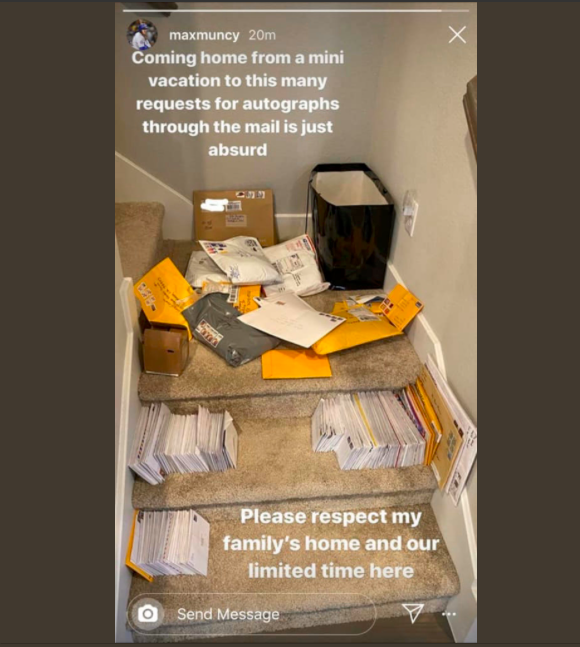
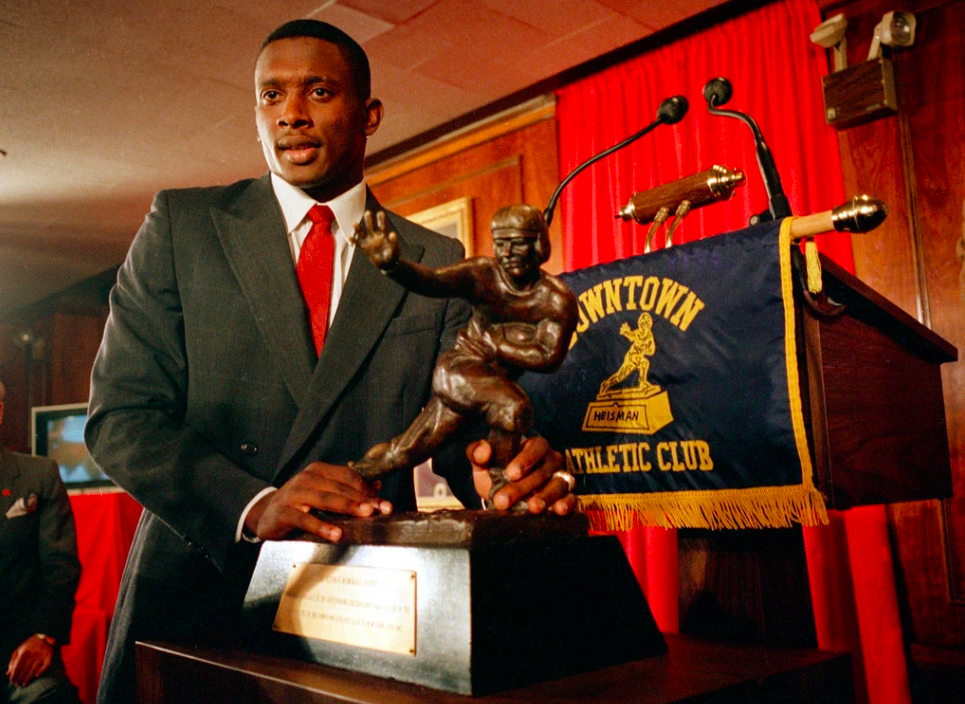
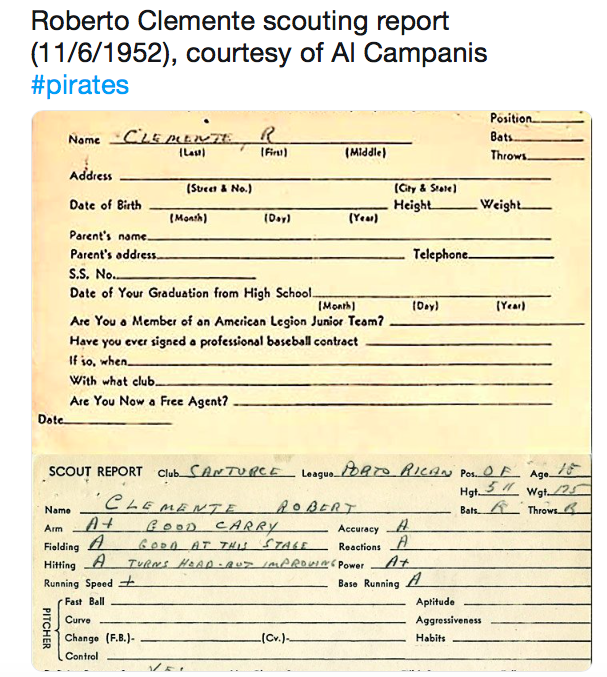

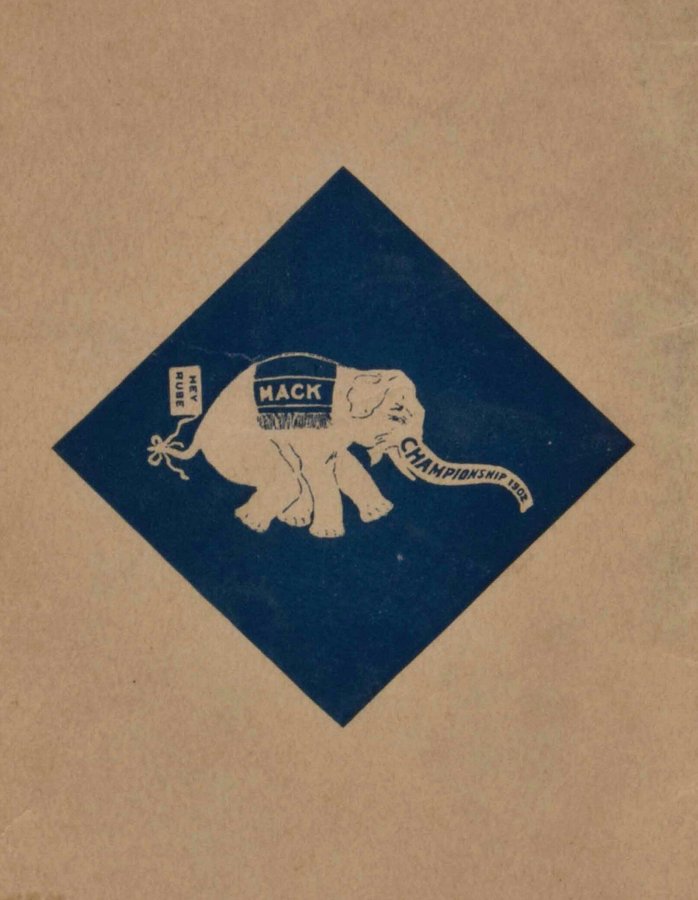
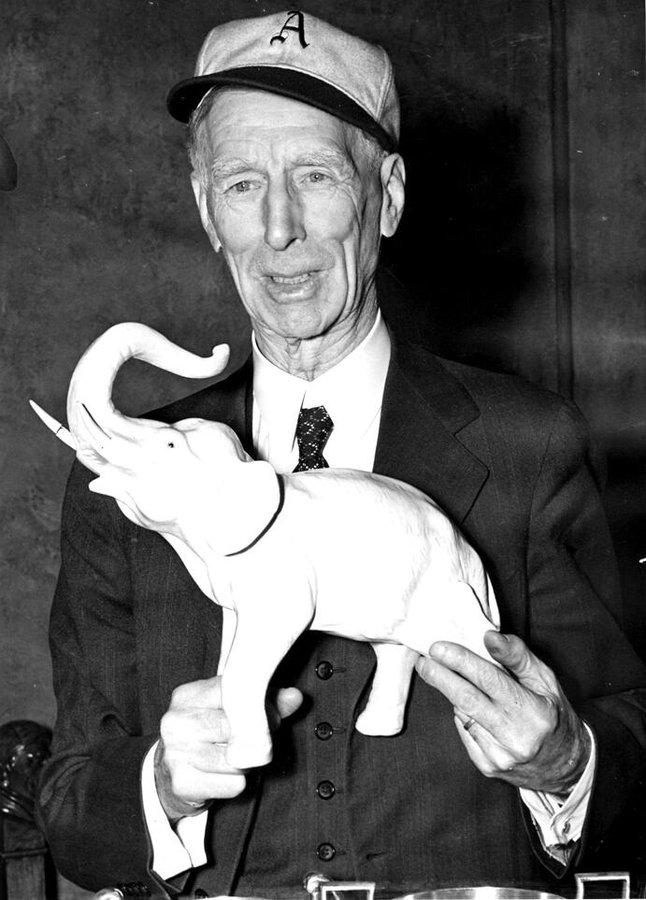
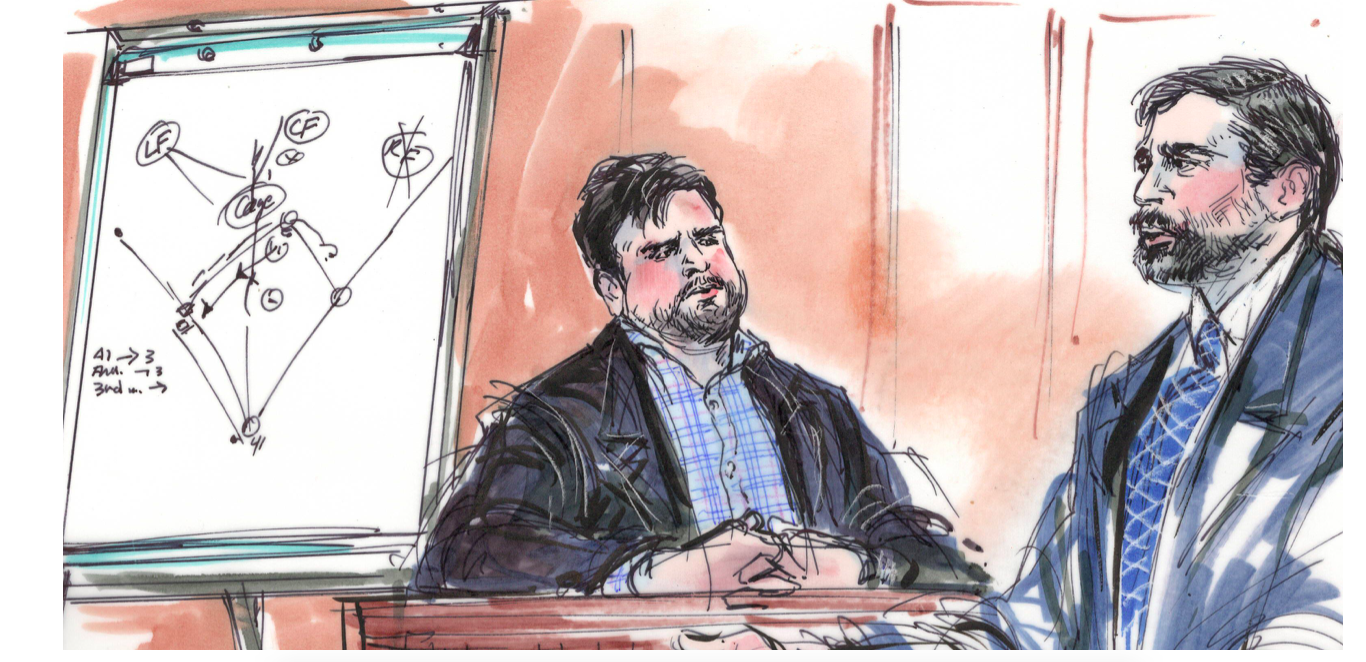
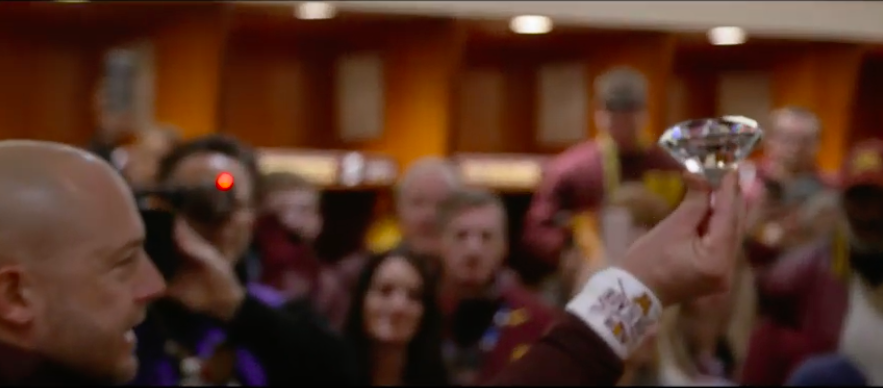






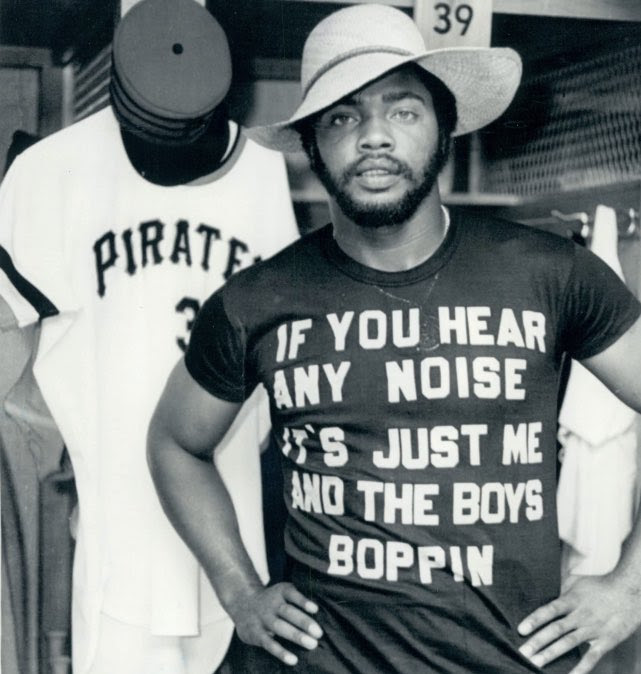

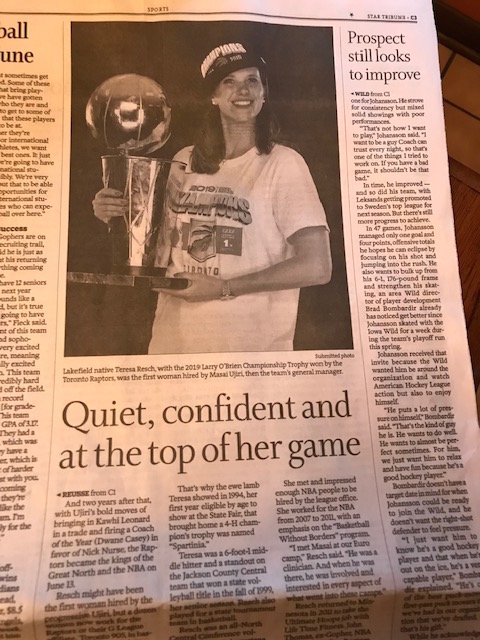
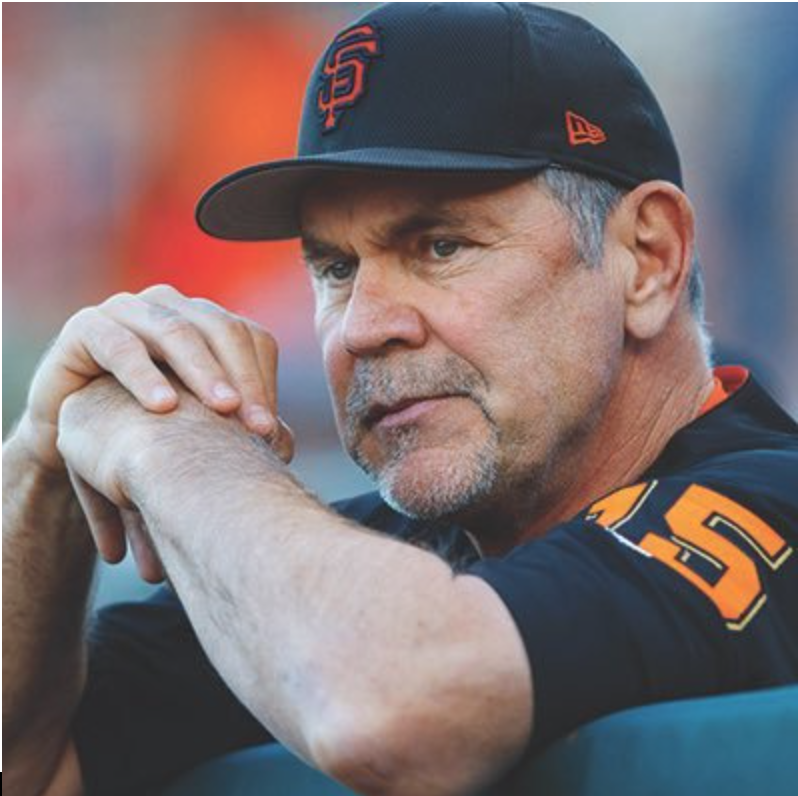
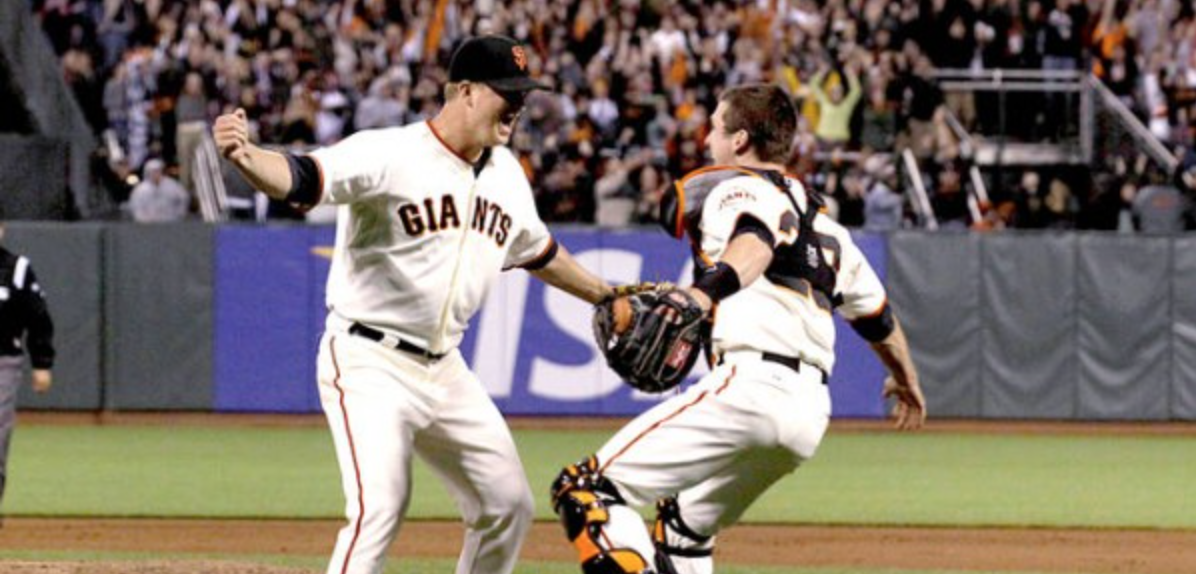
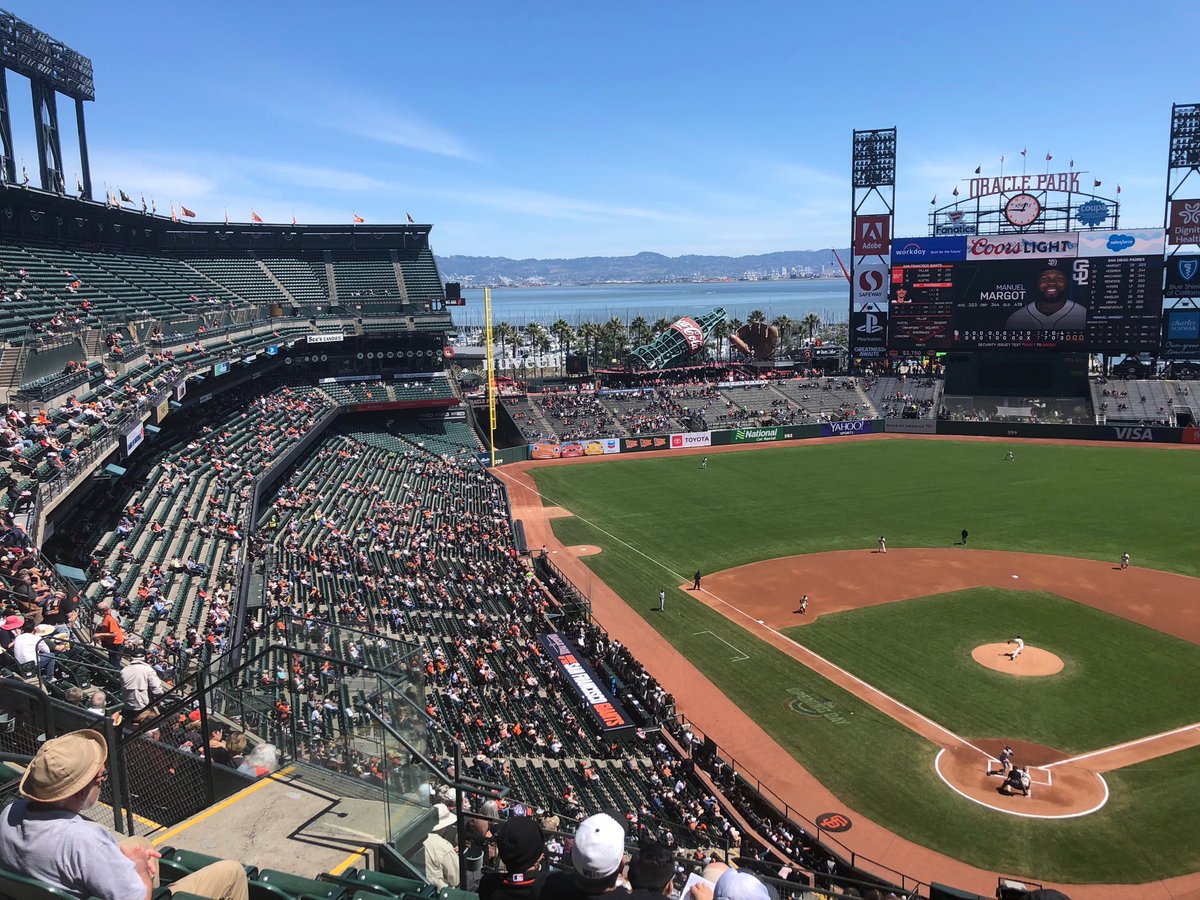
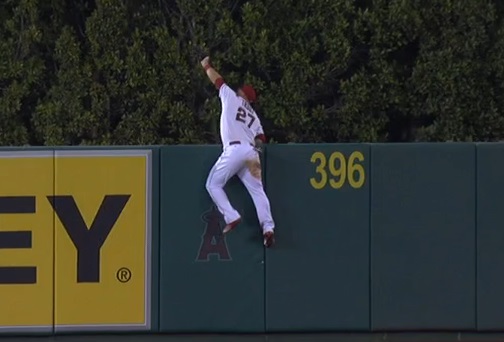
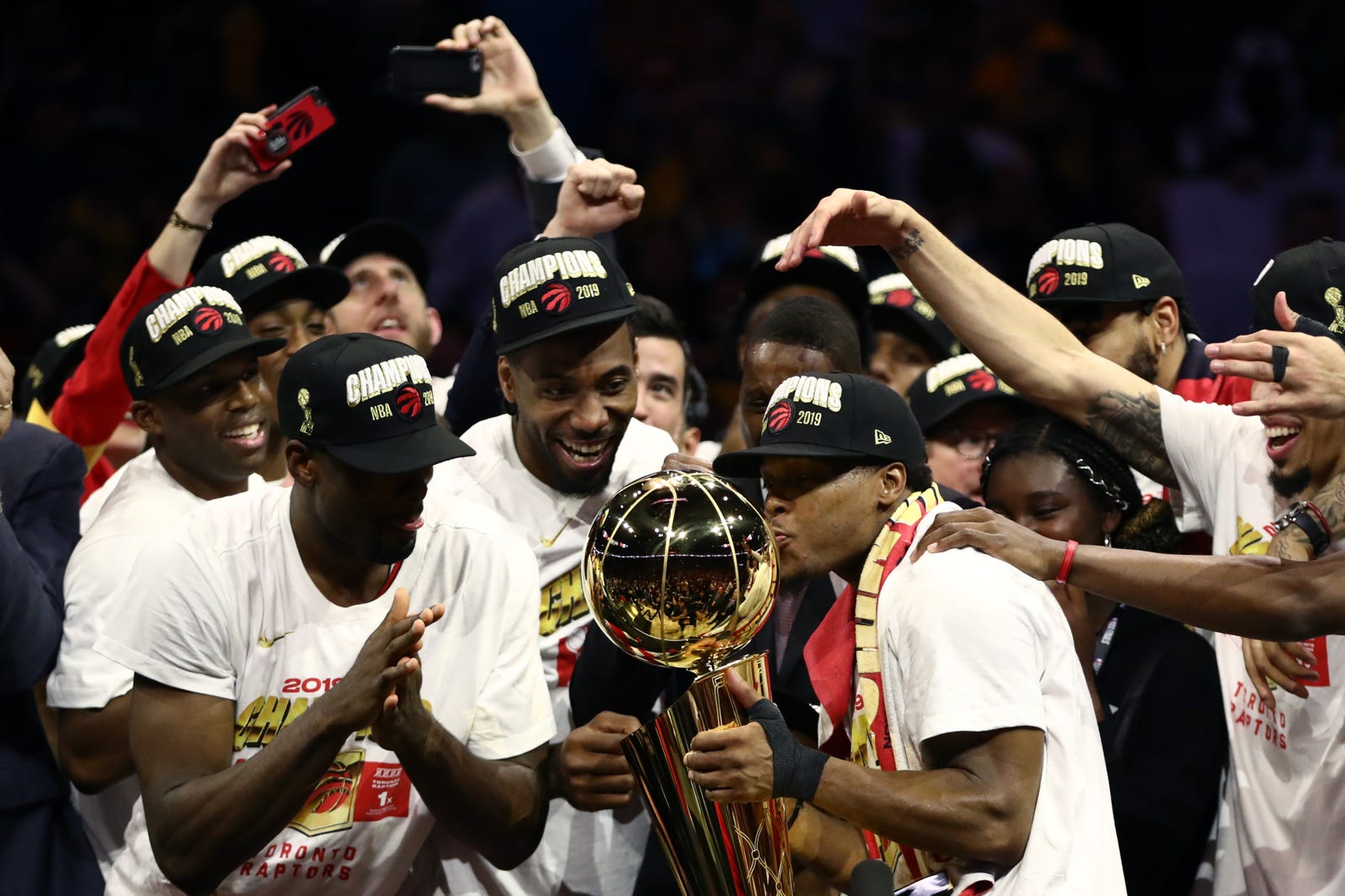
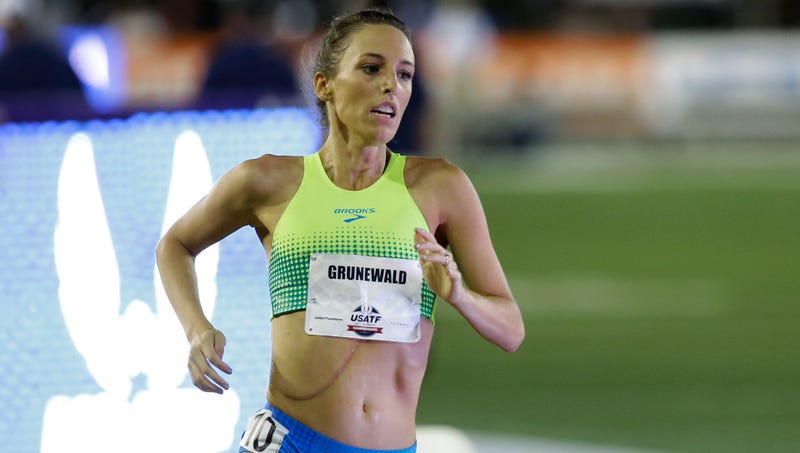
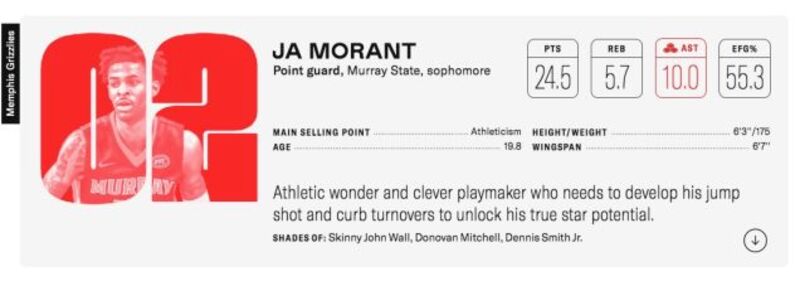
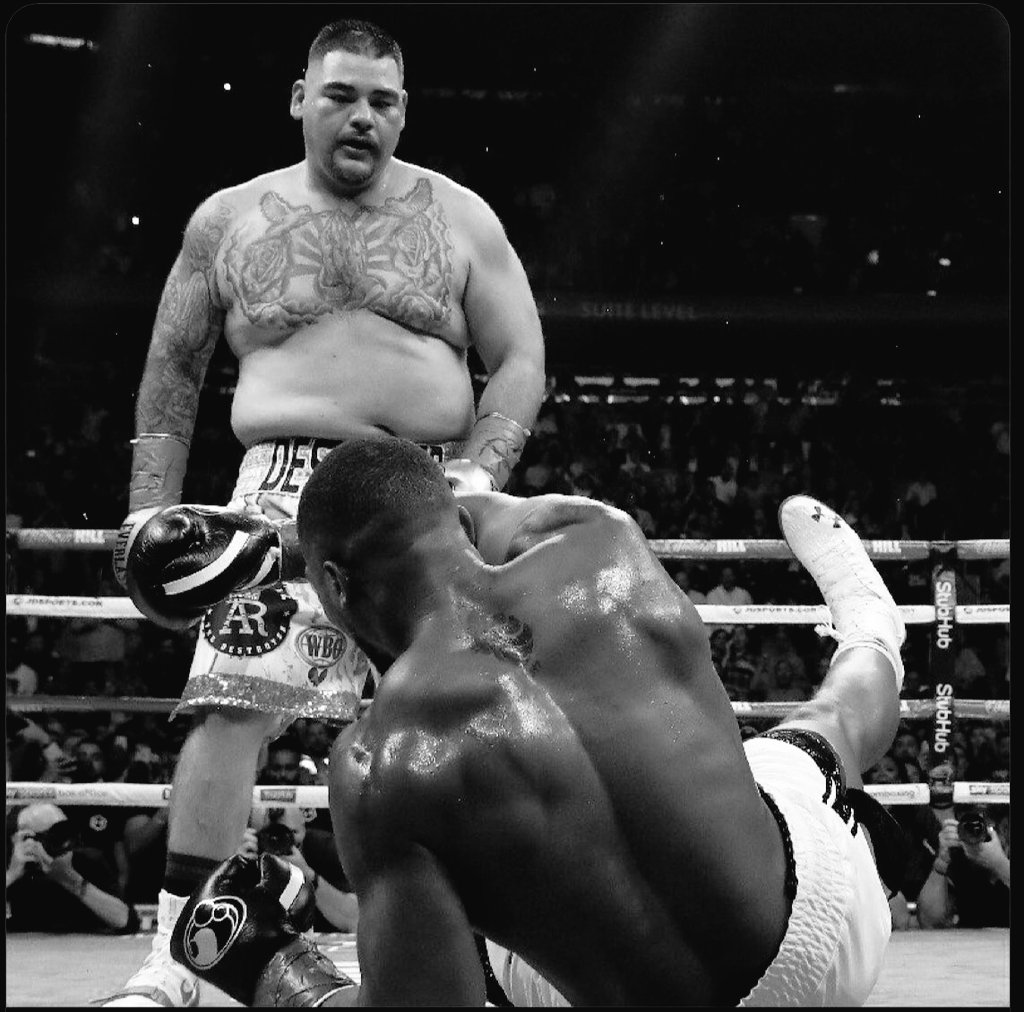



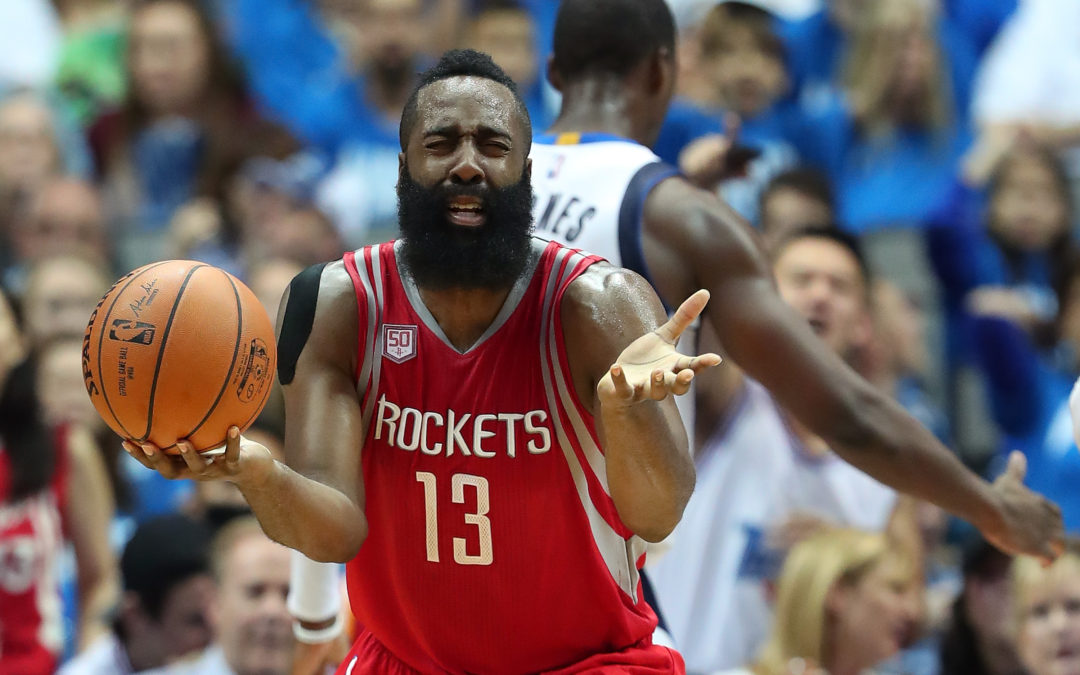
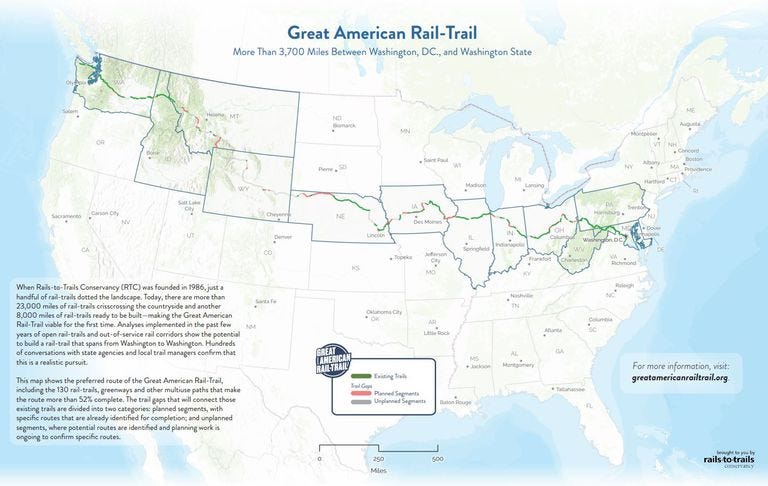


 1-2-3 SPORTS!